IMAC SSP

Reverse Engineering Service

IMAC, an independent French company, is today the leading multi-brand industrial maintenance provider for mail opening, check and document processing, and bank and private label card personalization equipment. It has a reverse engineering department that allows it to provide technical solutions and spare parts to best meet the needs and demands of its customers.
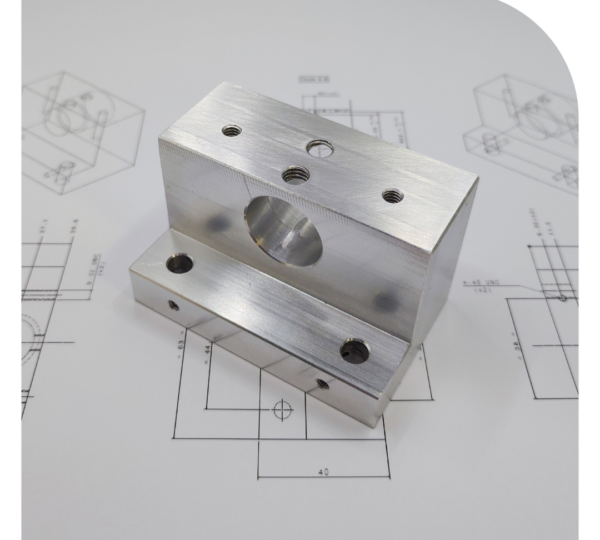
Multi-brand versatility

The challenges of Reverse Engineering

WHAT IS REVERSE ENGINEERING?

The reverse engineering is a technique that involves studying an object to determine its internal workings or manufacturing method. Reverse engineering is often used when knowledge about a part's engineering is limited, original documentation is missing, or 2D or 3D CAD drawings or models do not exist. Reverse engineering is particularly important if the design information for a part relies on human memory and is therefore difficult to reproduce exactly.

Planned obsolescence

To meet its clients' needs, IMAC relies on a simple and effective system of personnel and technical resources. This organization guarantees preventive and corrective maintenance using high-quality, readily available spare parts, thus combating machine obsolescence.

Environmental impact

The stakes here are multiple!

Why deplete natural resources and increase our CO2 impact by manufacturing new parts, when original parts are repairable or reconditionable?

Why buy new parts when simply refurbishing used parts can allow a machine to produce for years to come?

Why buy parts from all over the world when we can have them manufactured locally and thus reduce our ecological impact?

A reverse engineering service makes perfect sense here once again.


What are the advantages of reverse engineering?

Reverse engineering helps reduce the risks associated with critical products and products with supply vulnerabilities. It allows for the reproduction of spare parts and helps identify and correct product defects.

Furthermore, reverse engineering can accelerate product innovation. The objectives are clear:

-Optimize spare parts by increasing their efficiency or lifespan: Reduced technical interventions lead to increased machine productivity

-Improve the quality of consumables essential to the operation of machines: both in terms of efficiency and longevity

- Implement technical upgrades on parts or machines to anticipate parts availability constraints or new environmental standards

-Reduce manufacturing costs, impacting the cost of services offered by IMAC

Who are the partners in IMAC reverse engineering?

From turning and milling companies, sheet metal bending companies, to 3D printing companies, polymer part manufacturing companies, and including carpentry and glassmaking companies, the service favours local manufacturing: from Val de Marne (94), to the Ile De France region, up to the national level.

IMAC's know-how and expertise

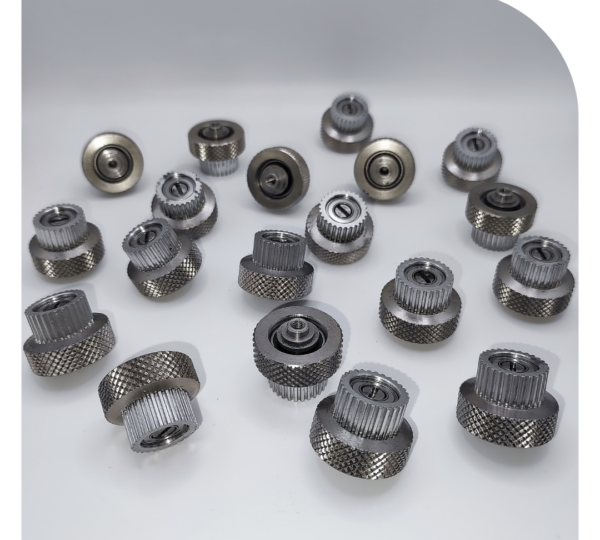
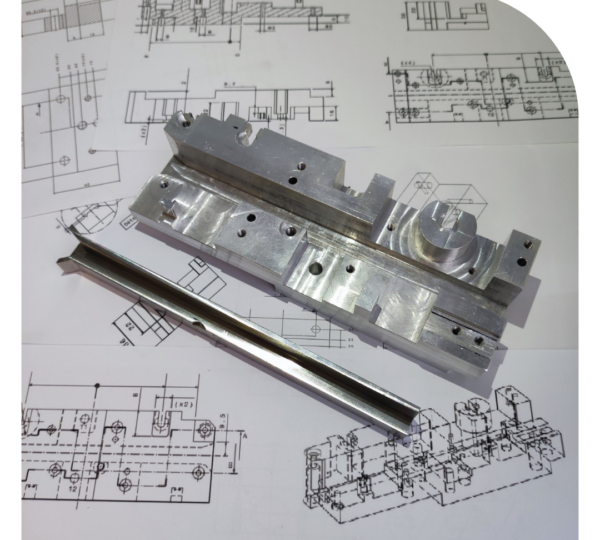
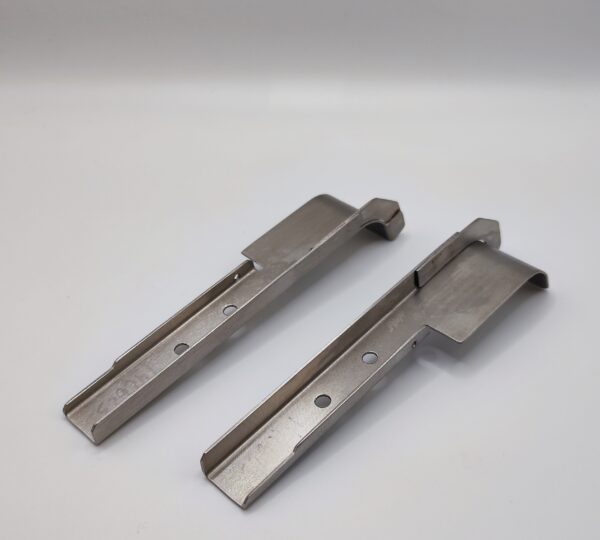
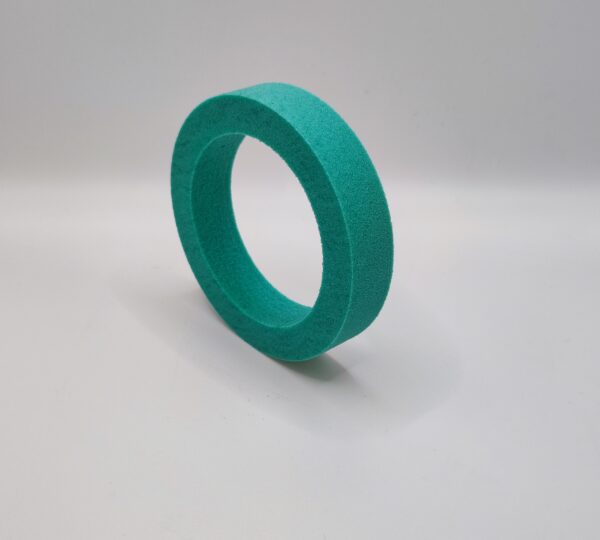
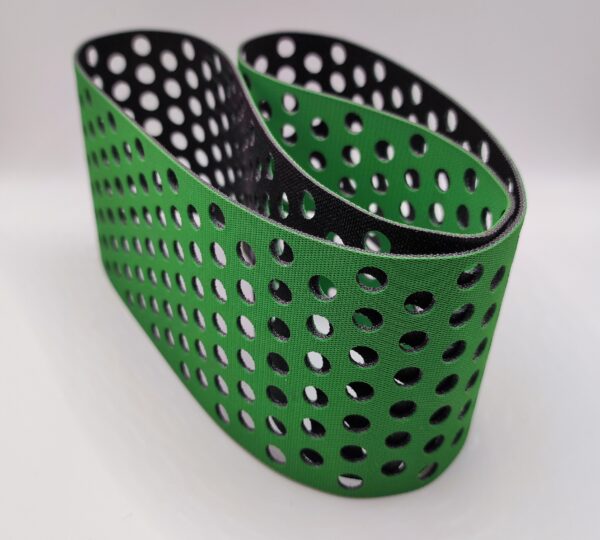
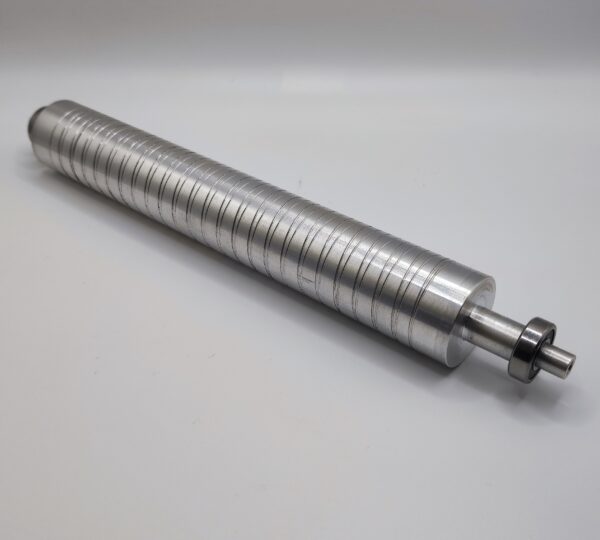
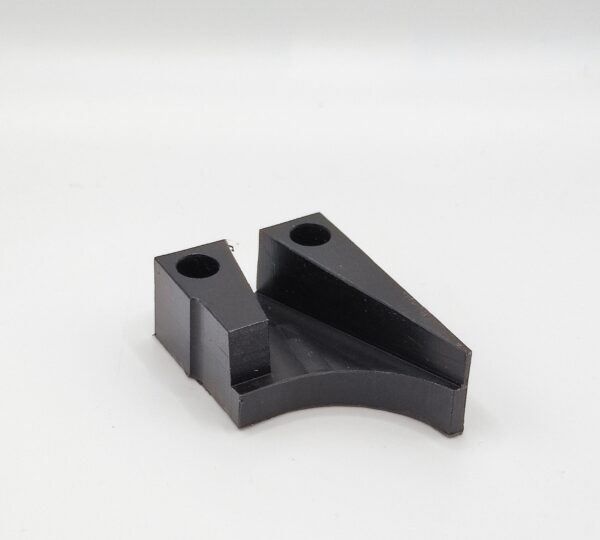
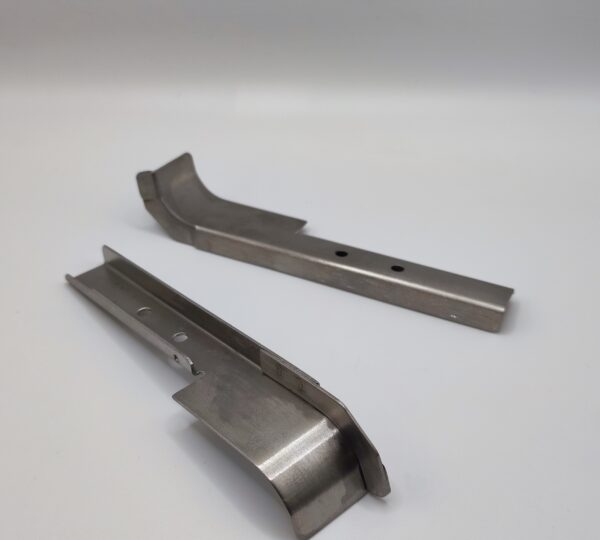
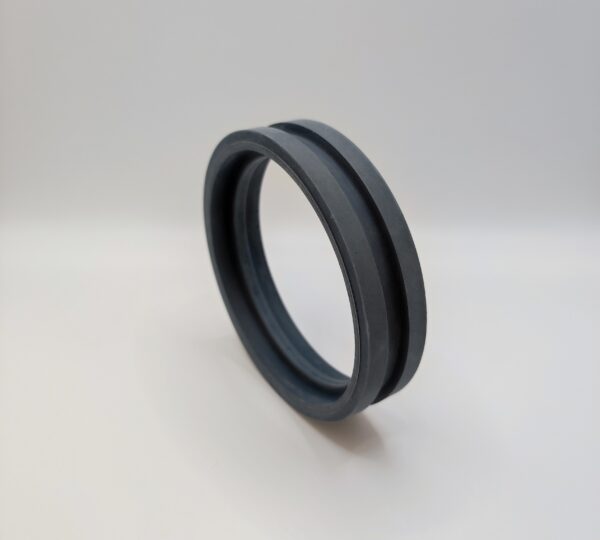
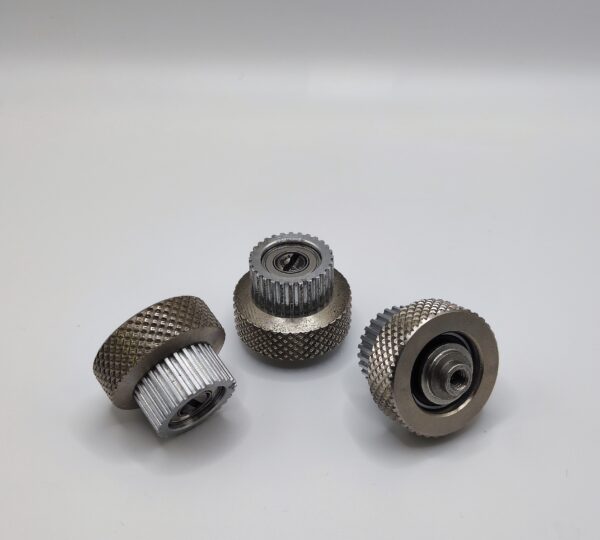
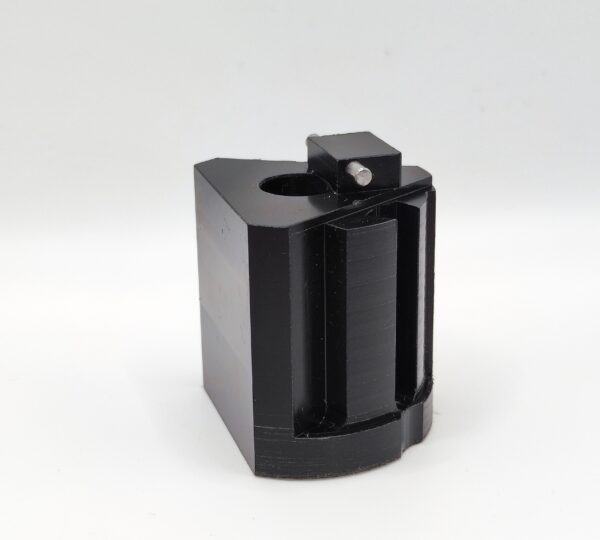
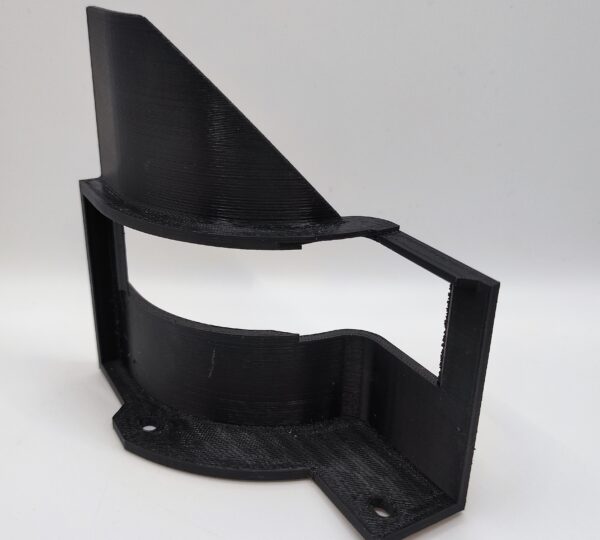
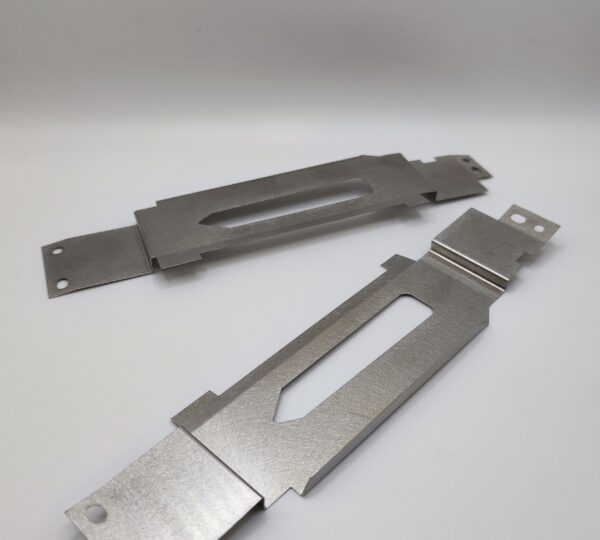
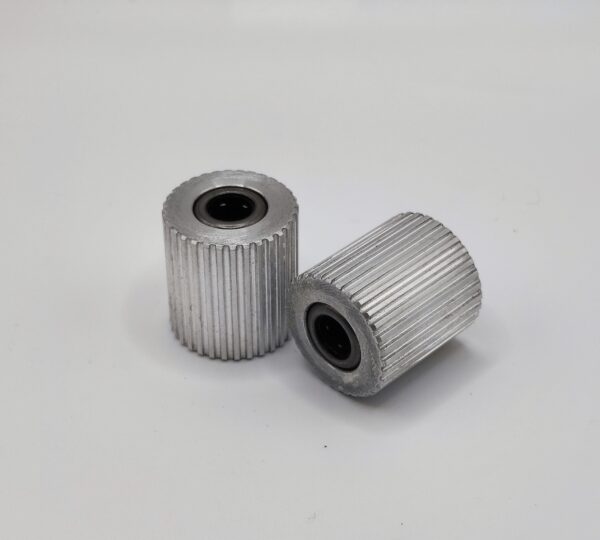
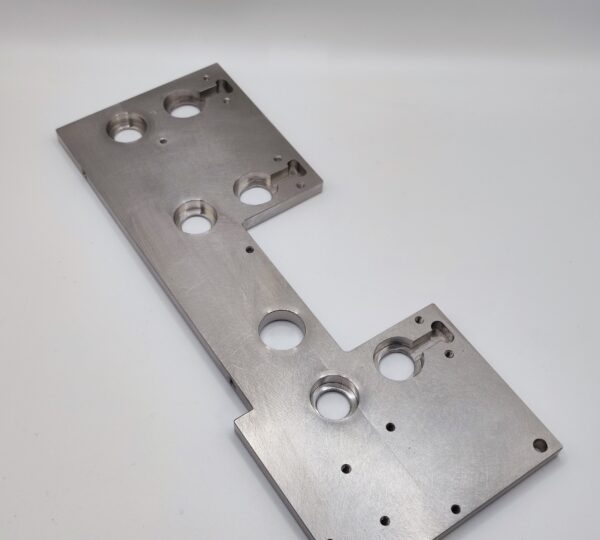
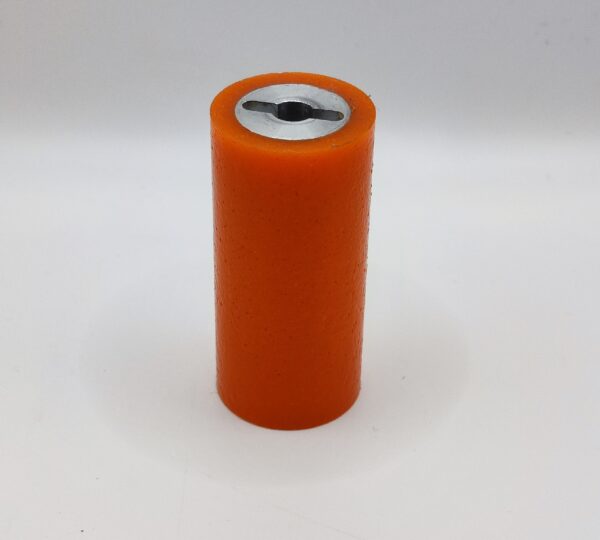
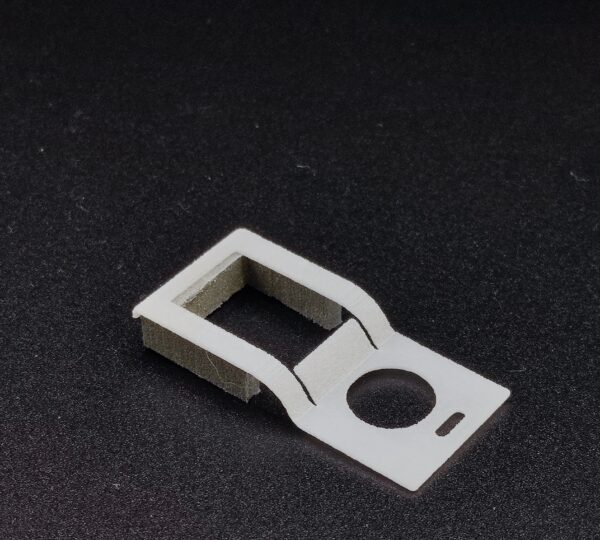
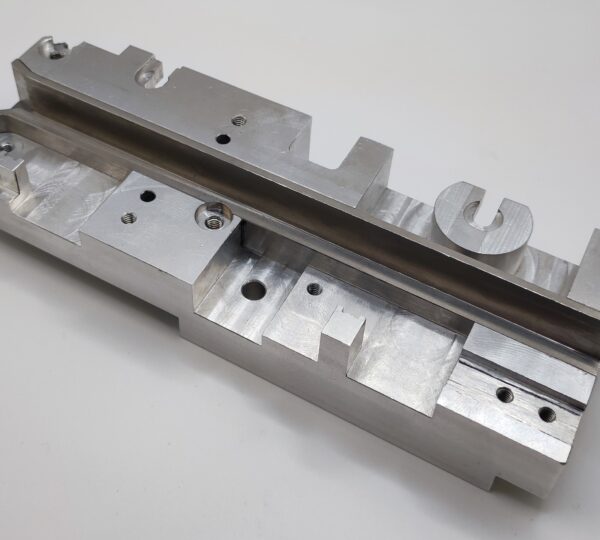
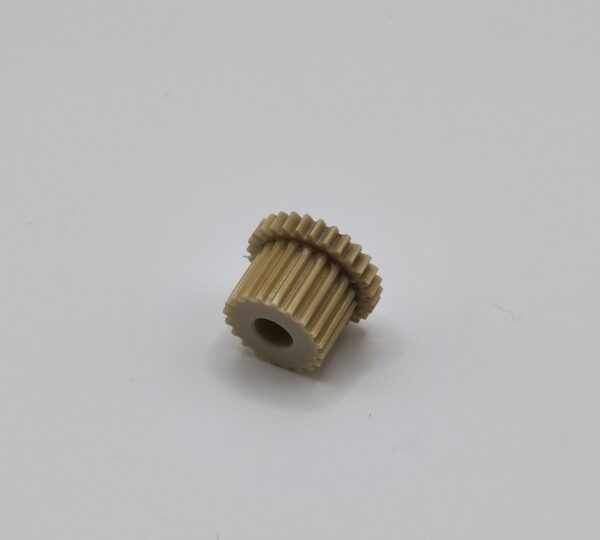
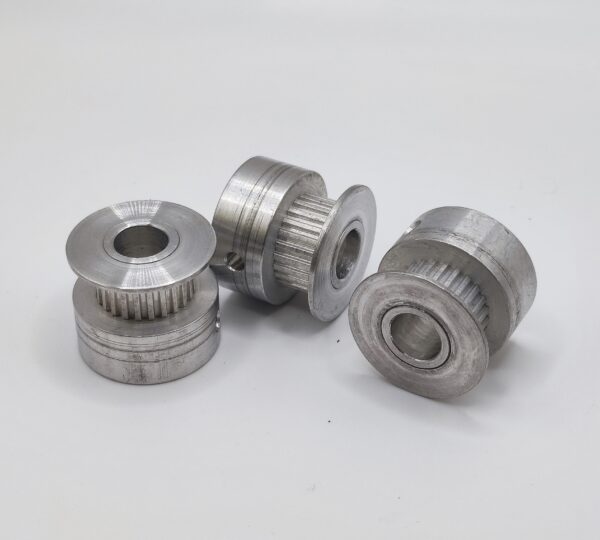
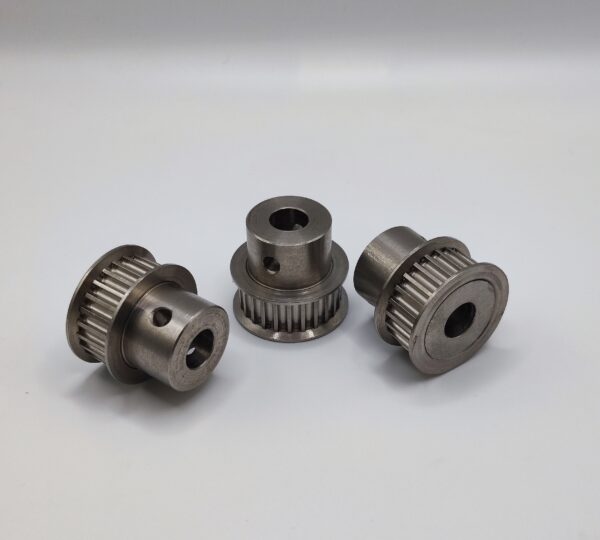
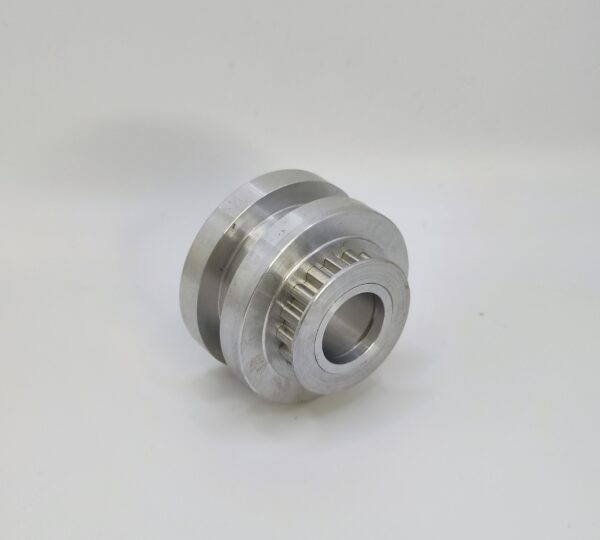
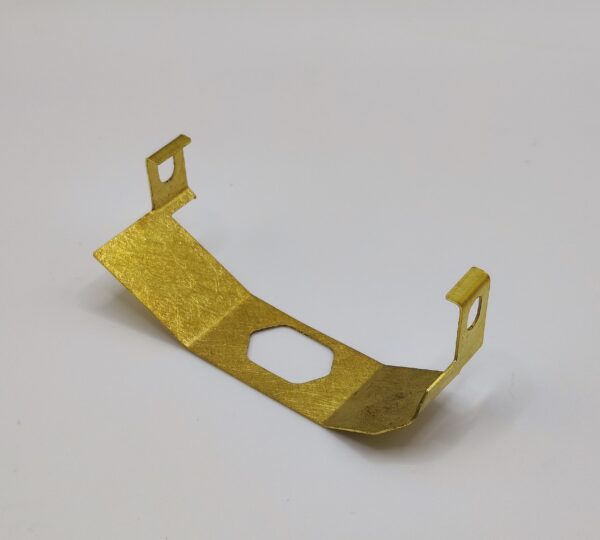
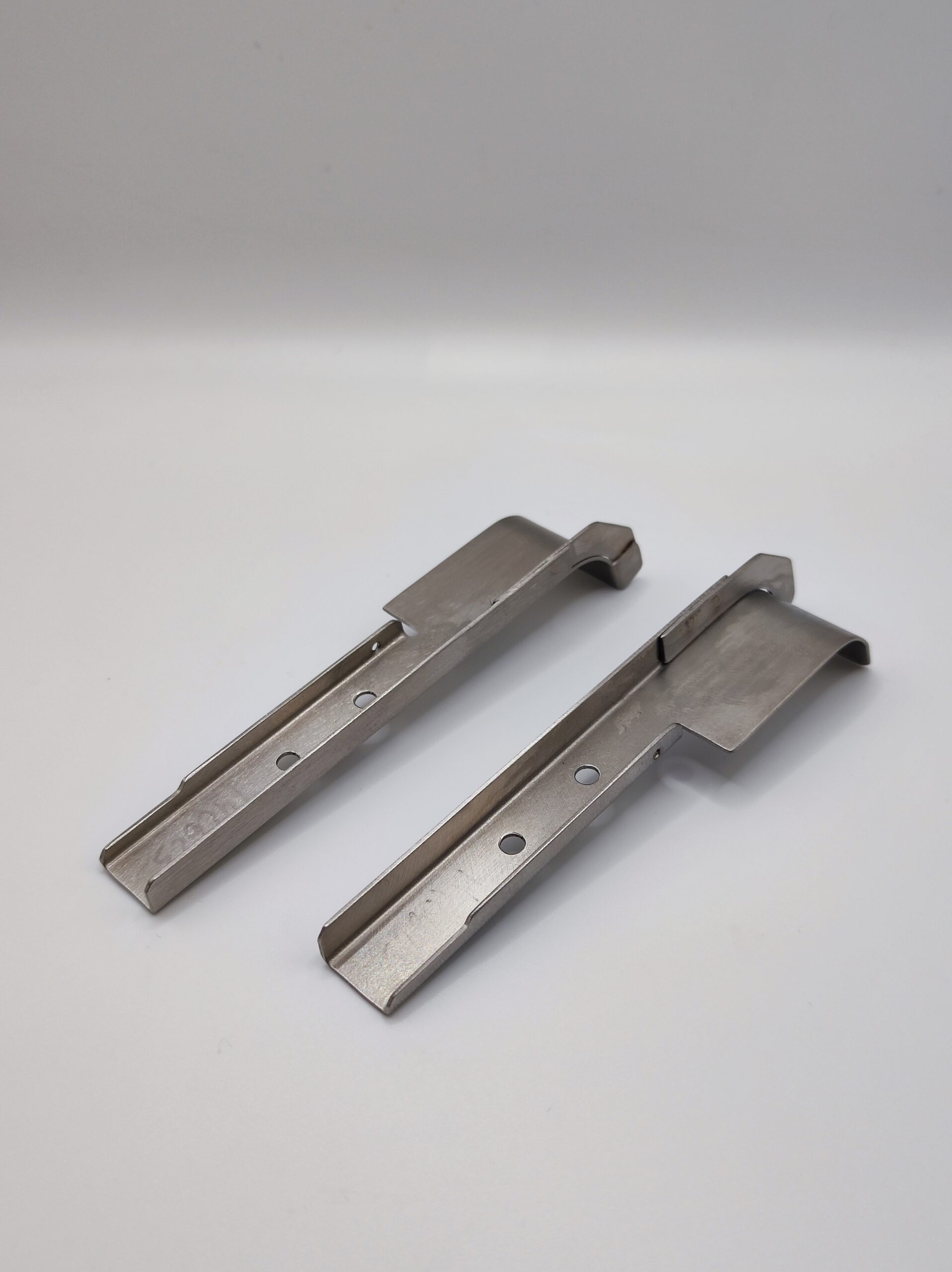
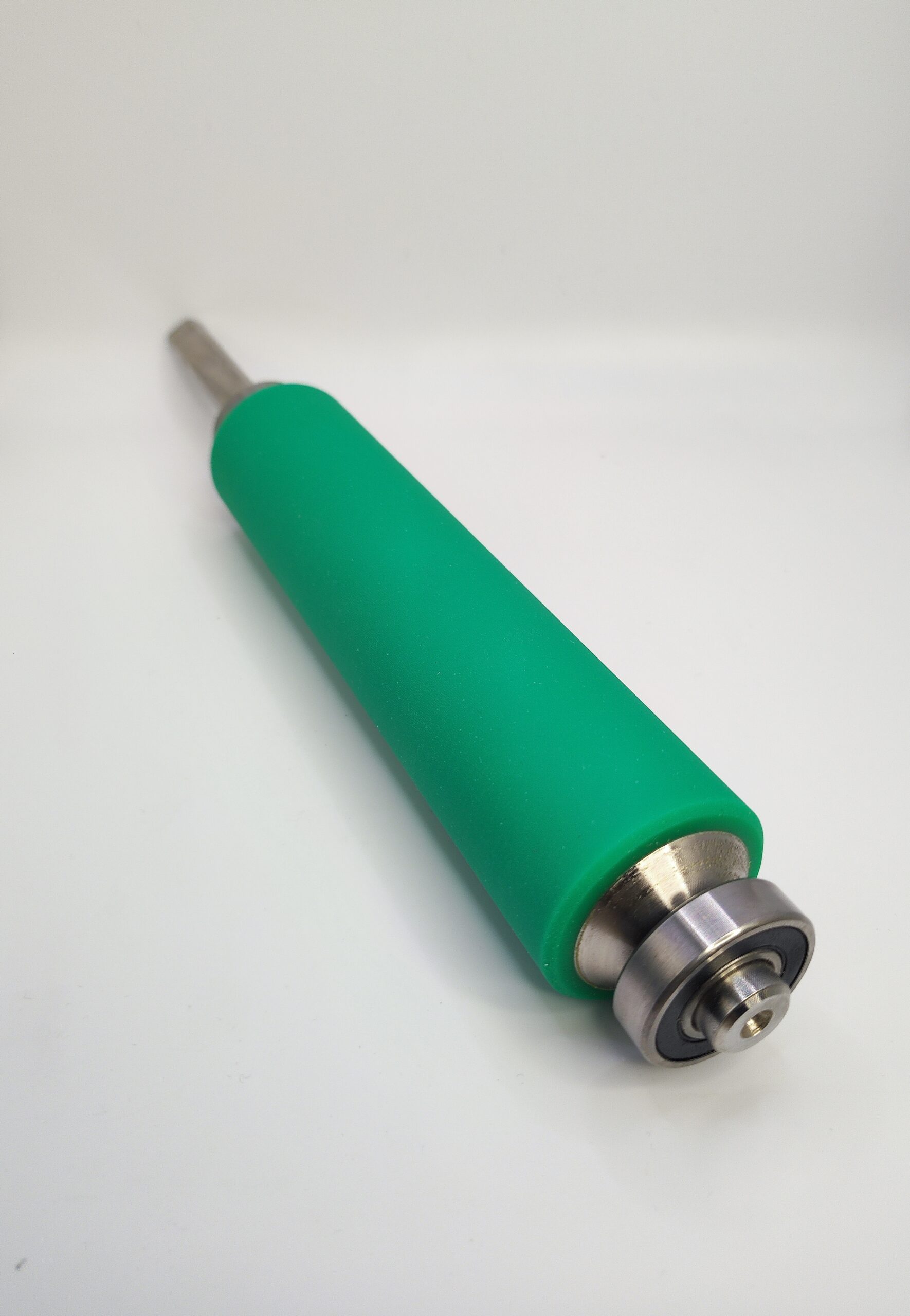
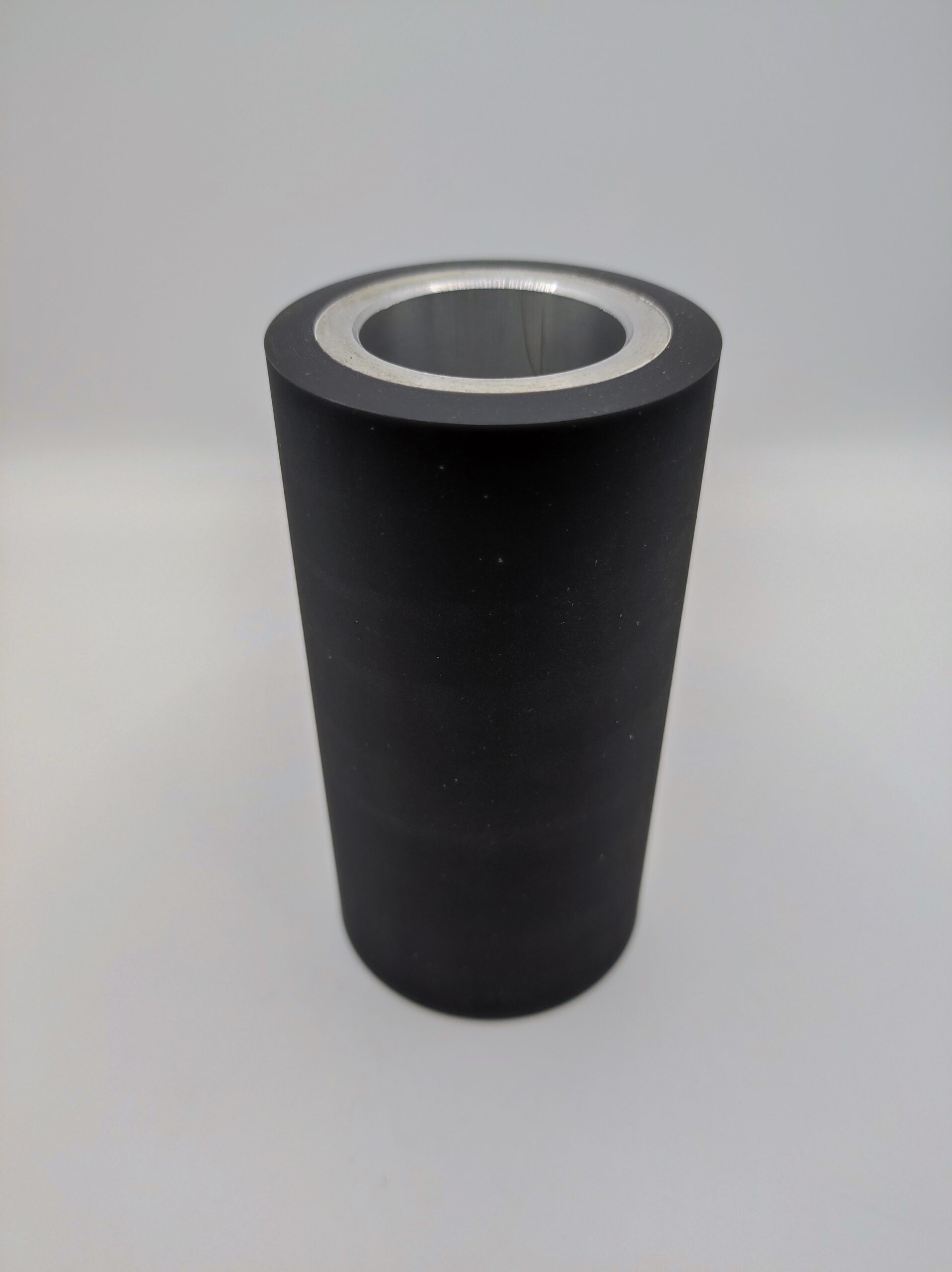
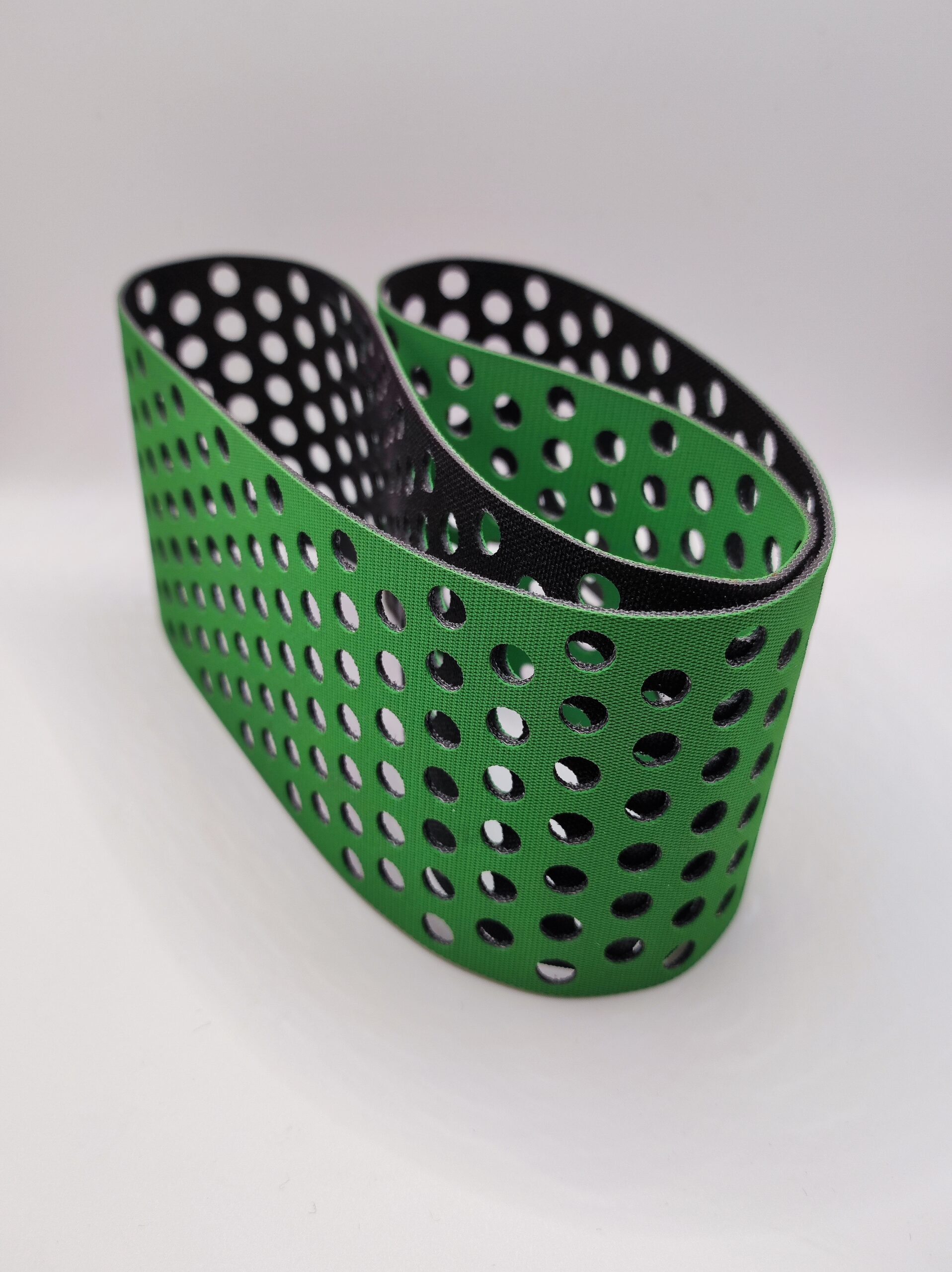
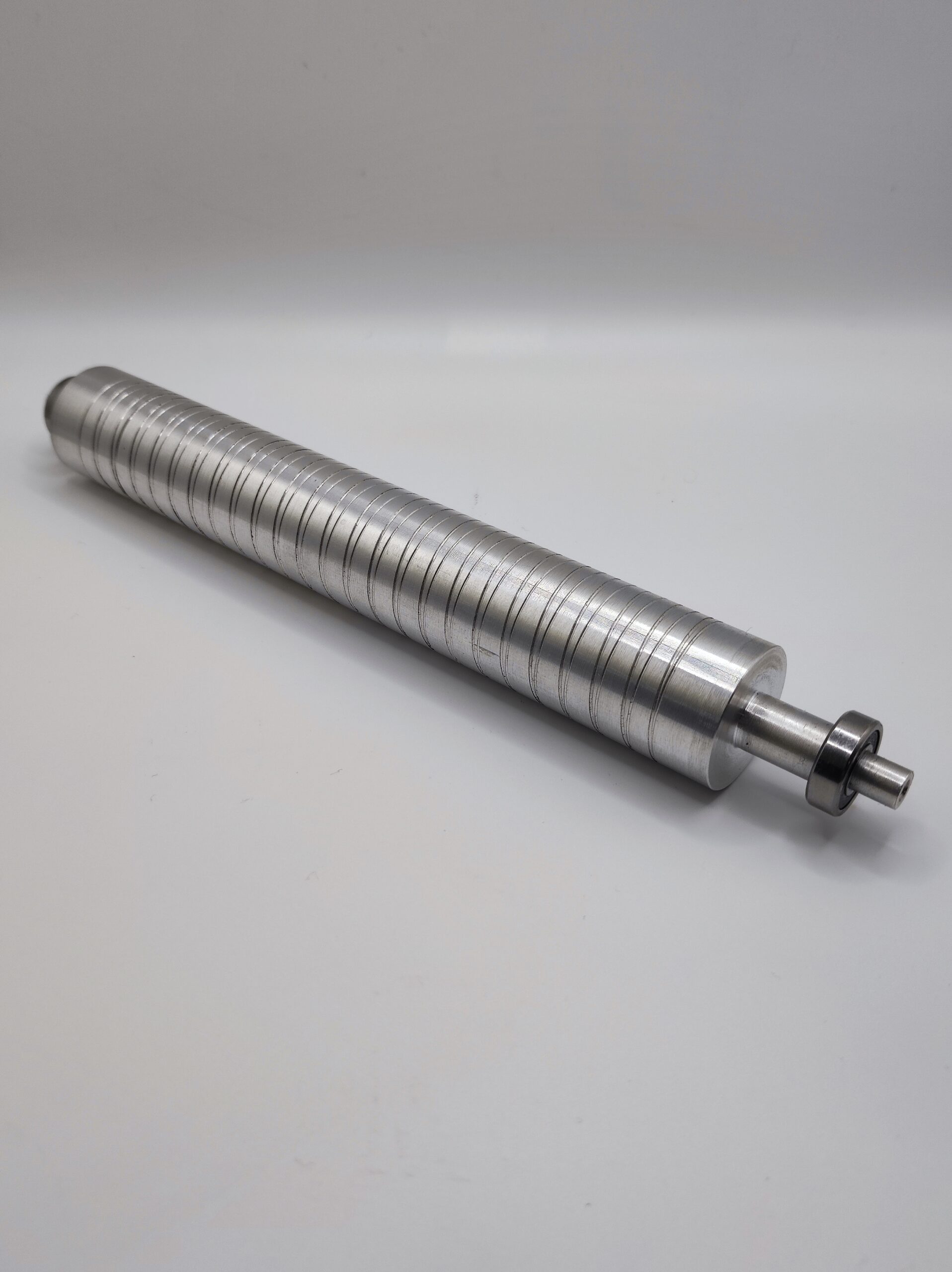
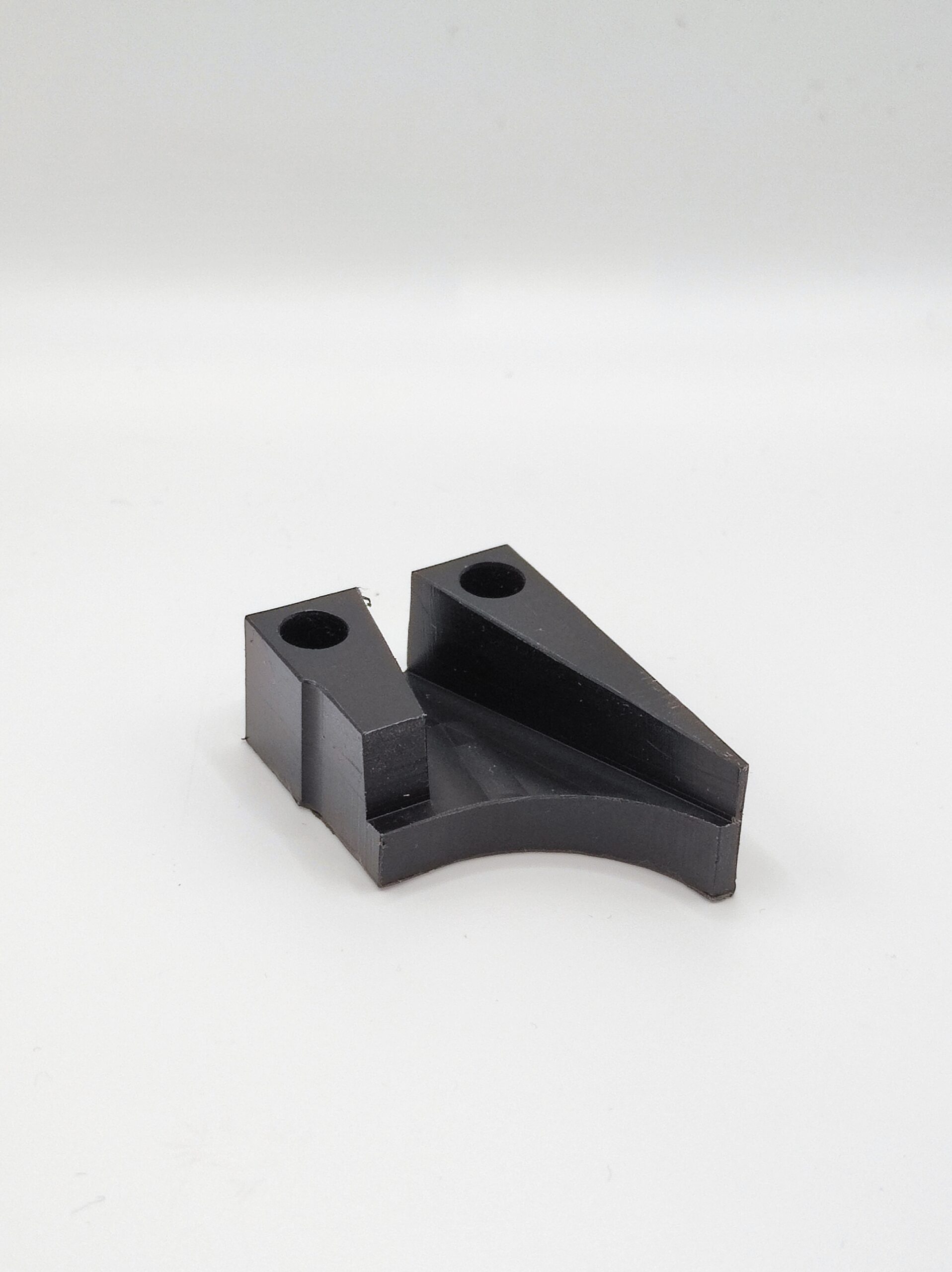
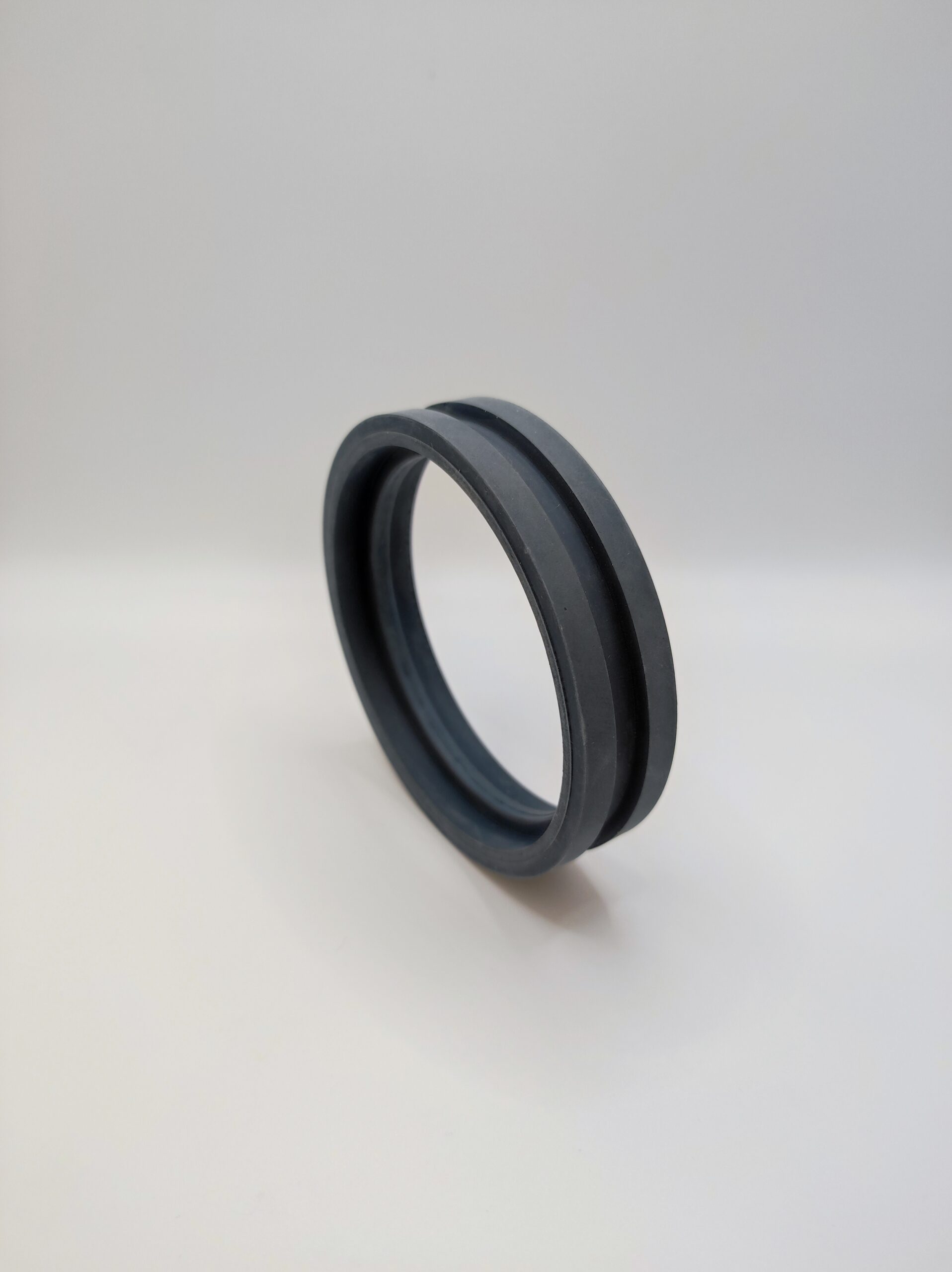
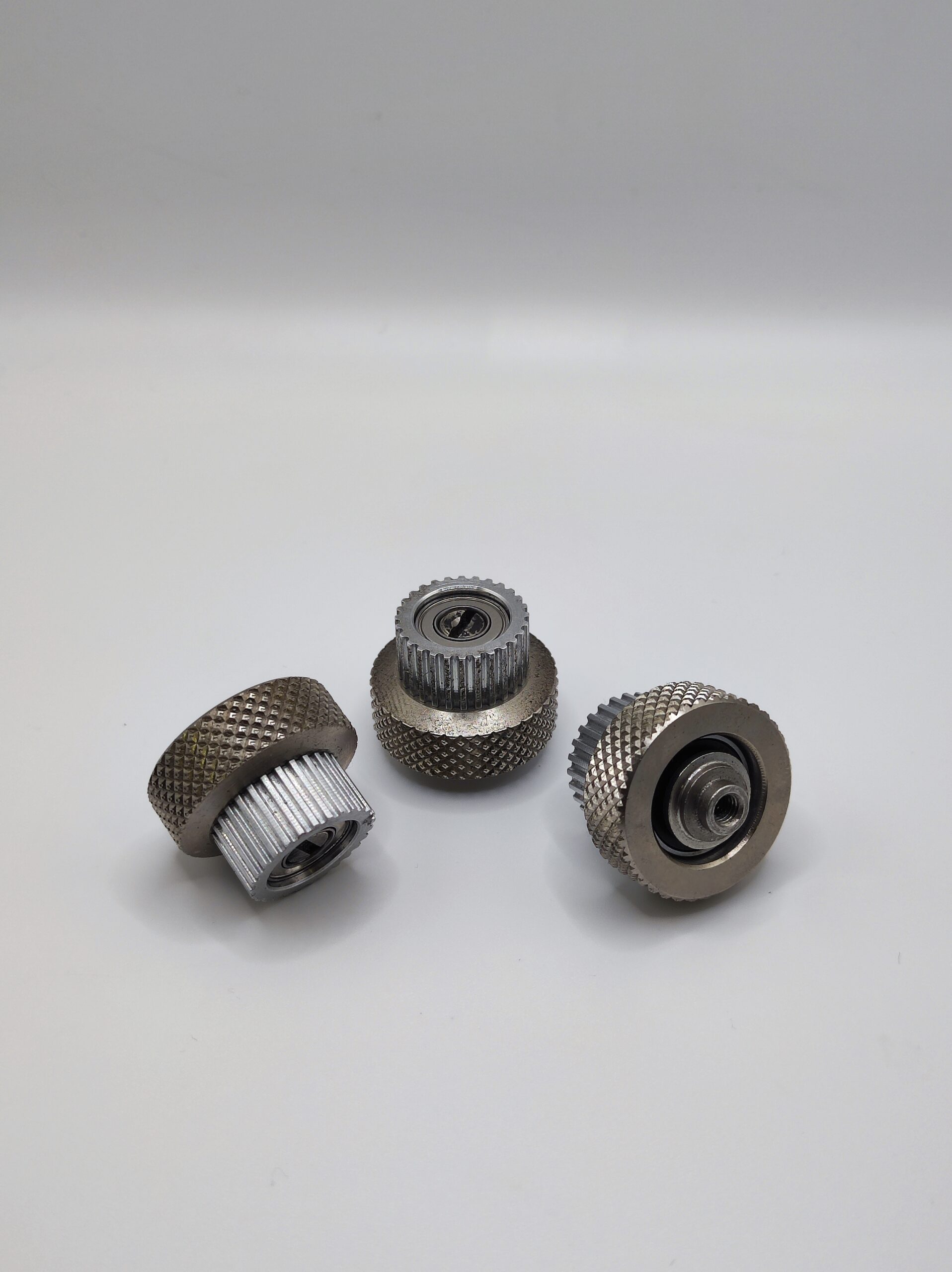
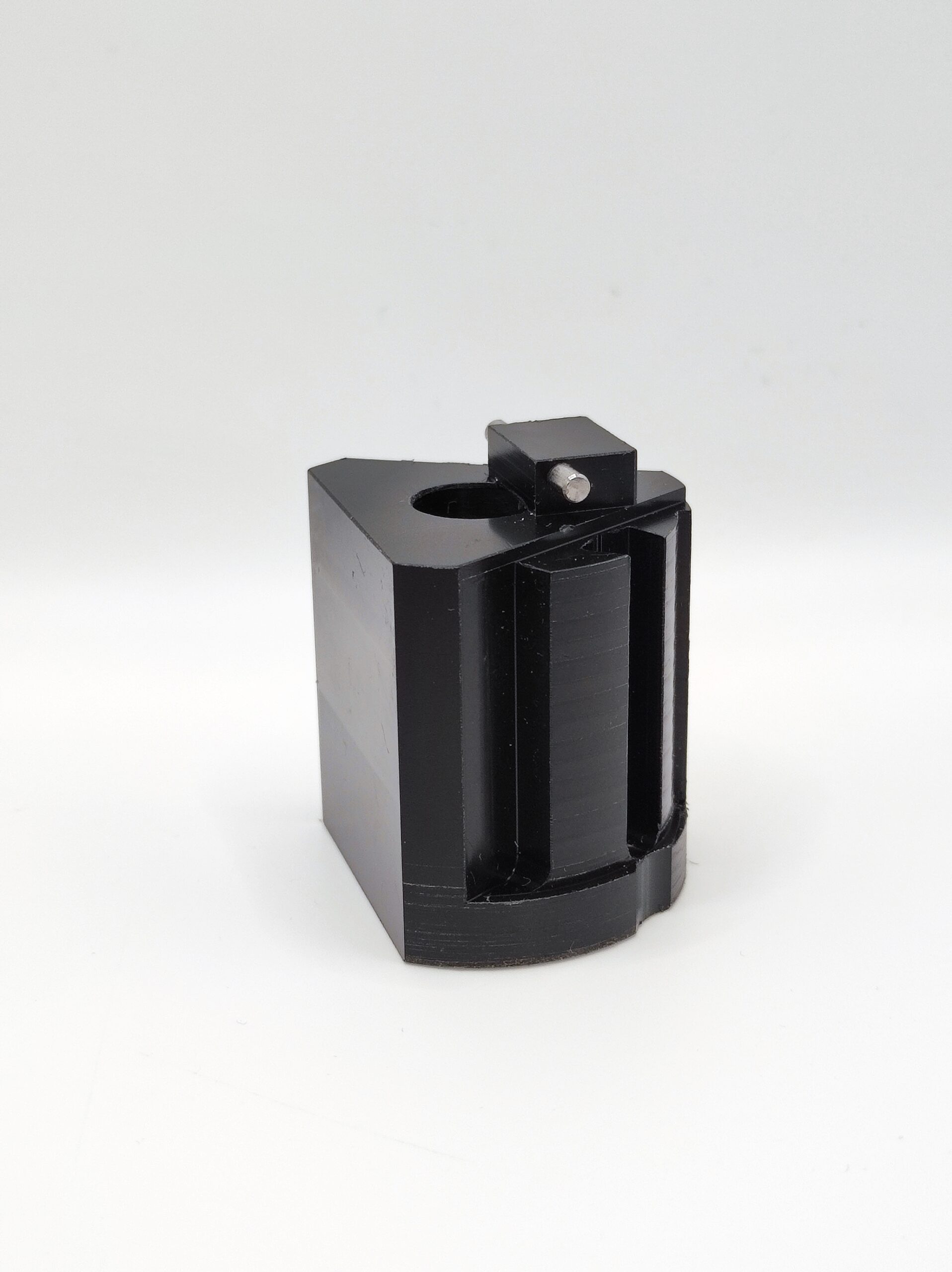
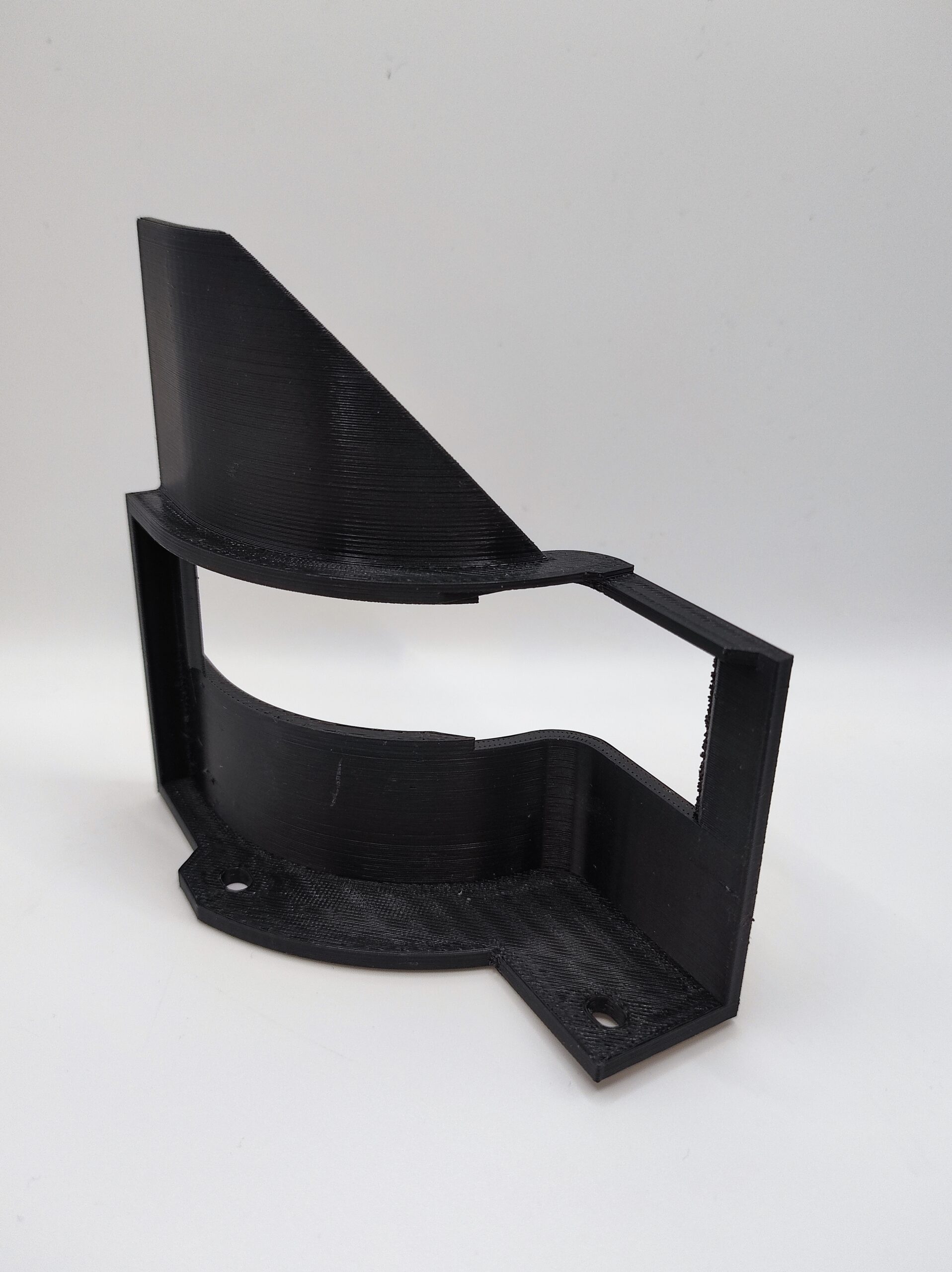
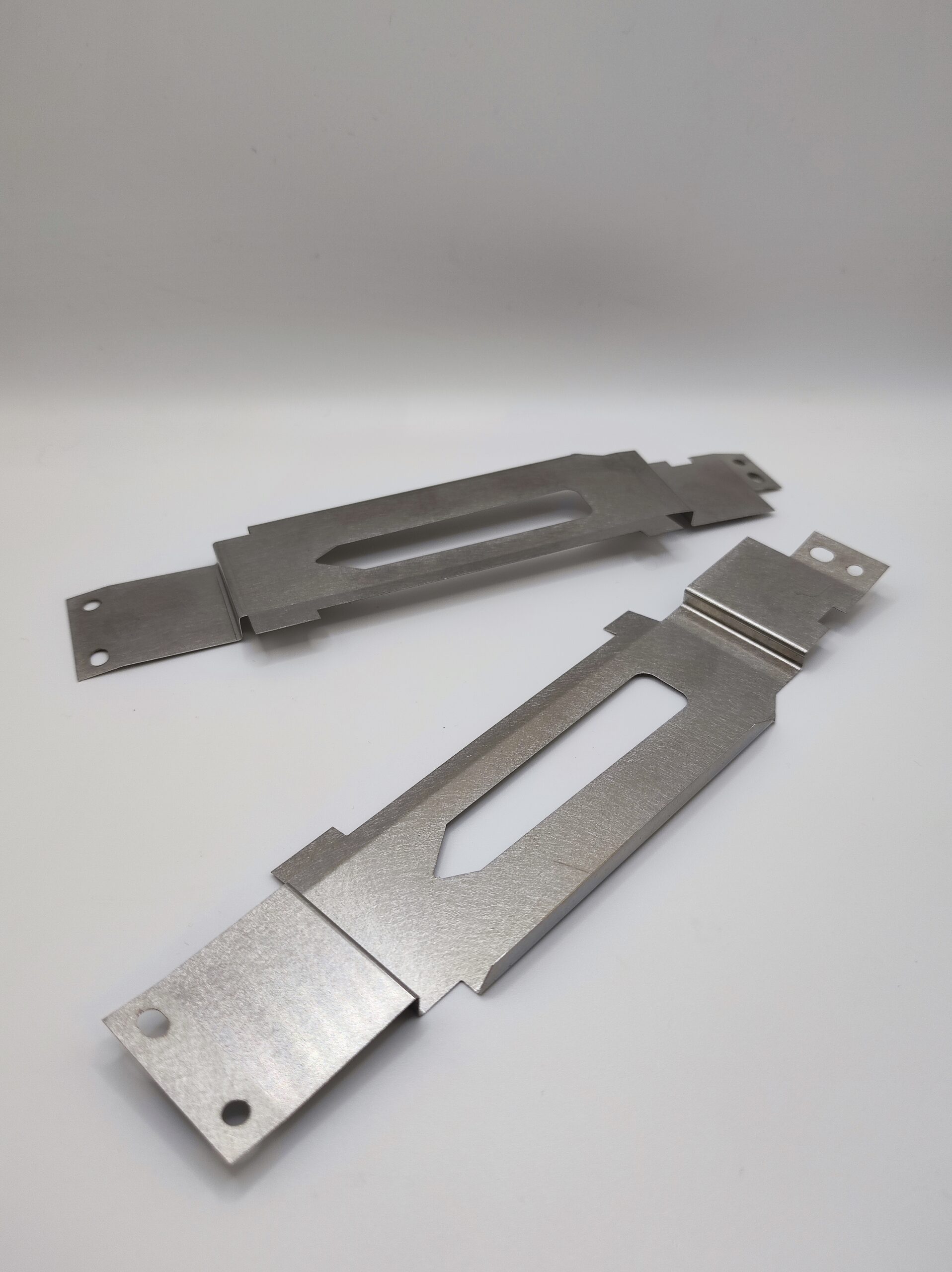
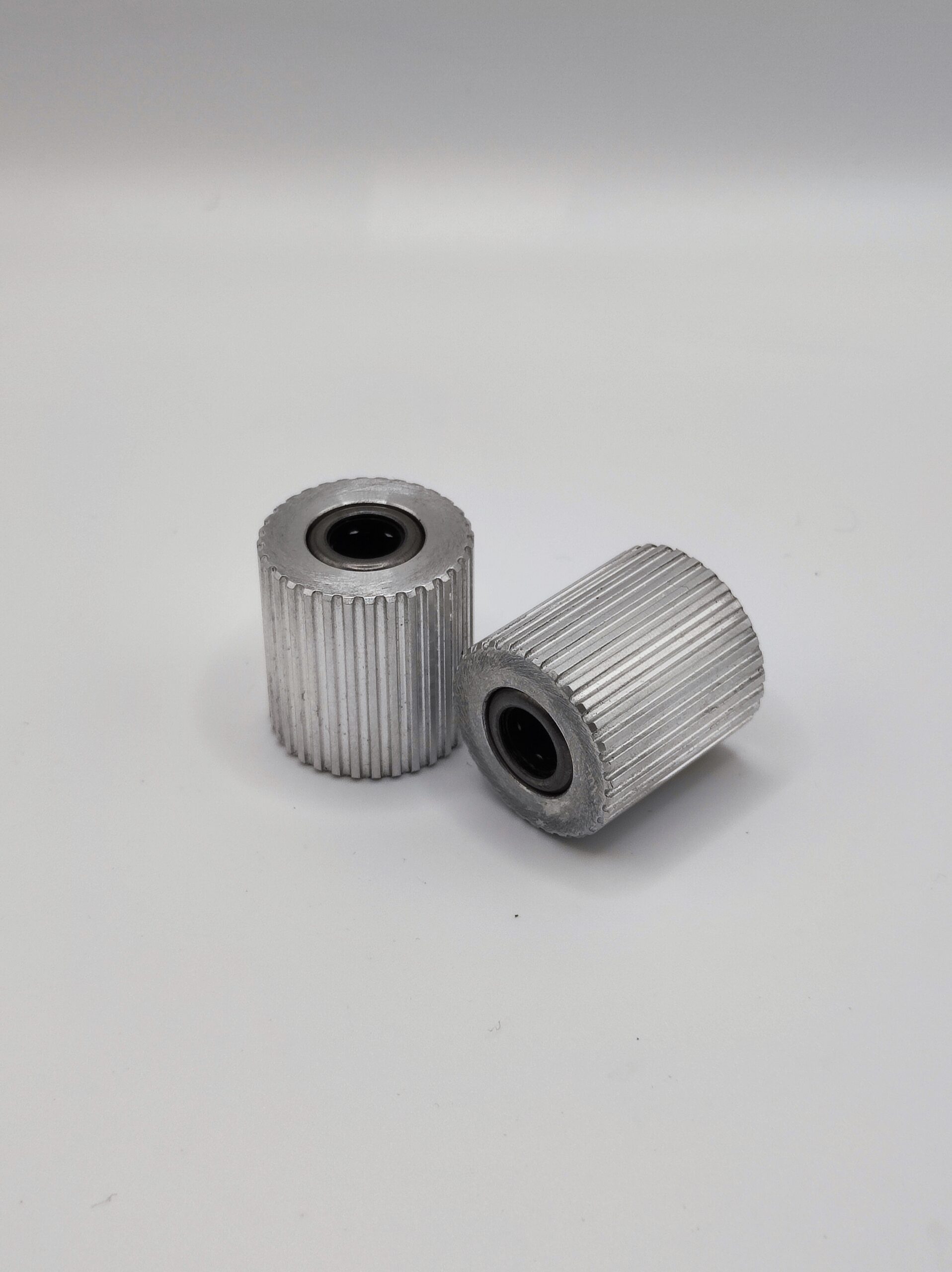
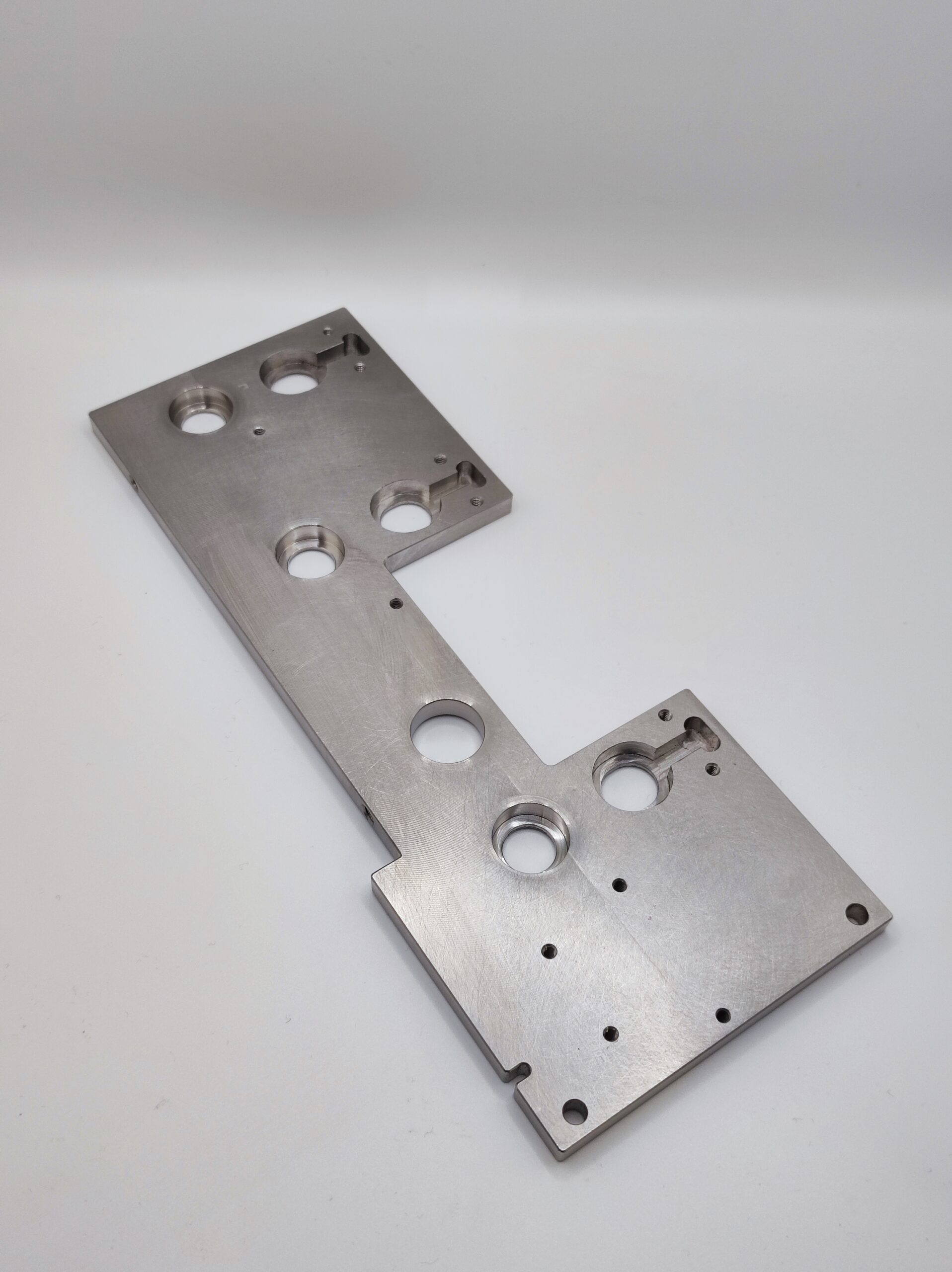
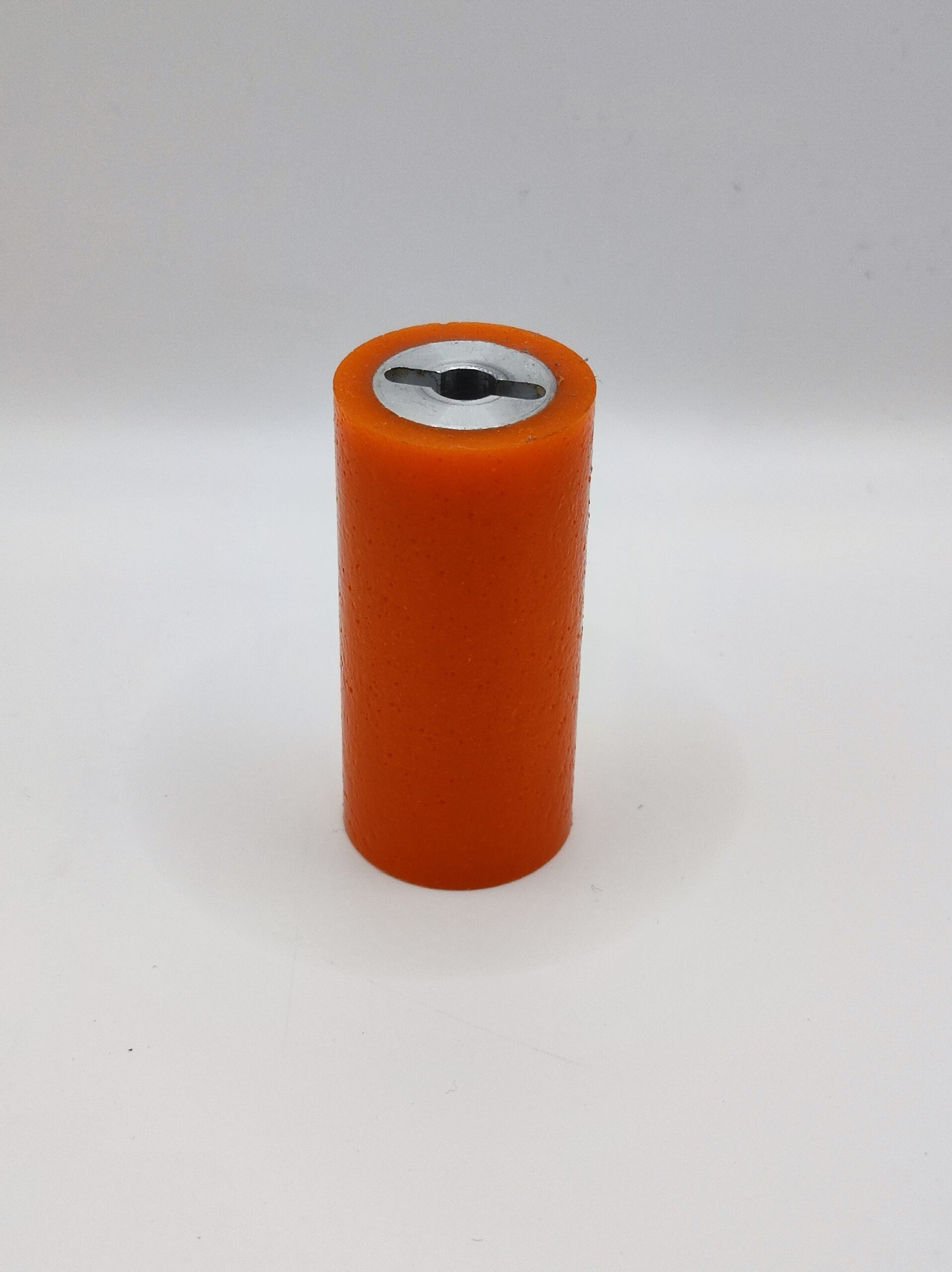
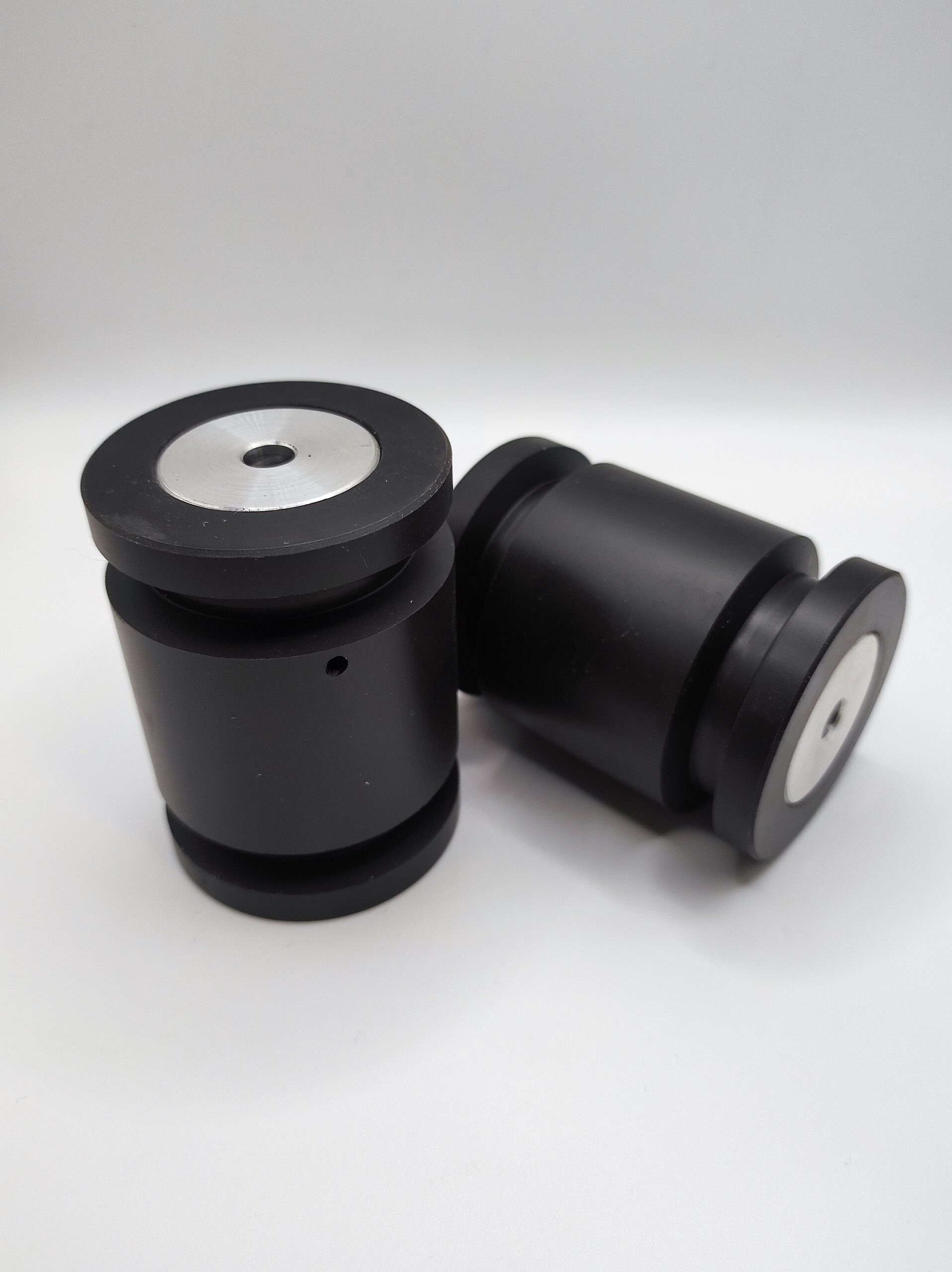
IMAC uses reverse engineering to manufacture:

IMAC SAS, member of the Made in Val de Marne network.

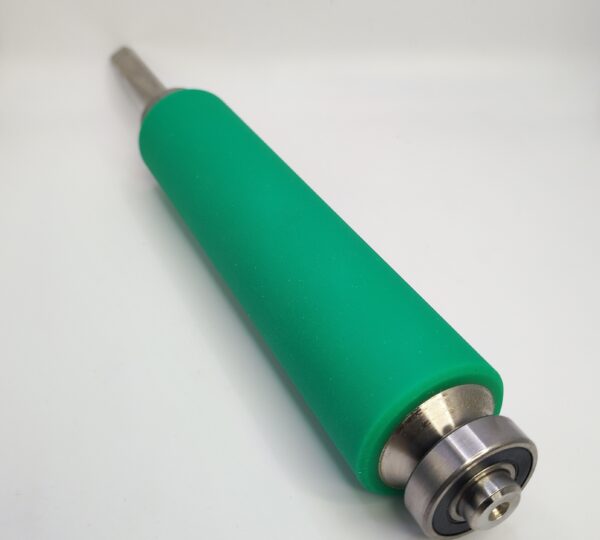
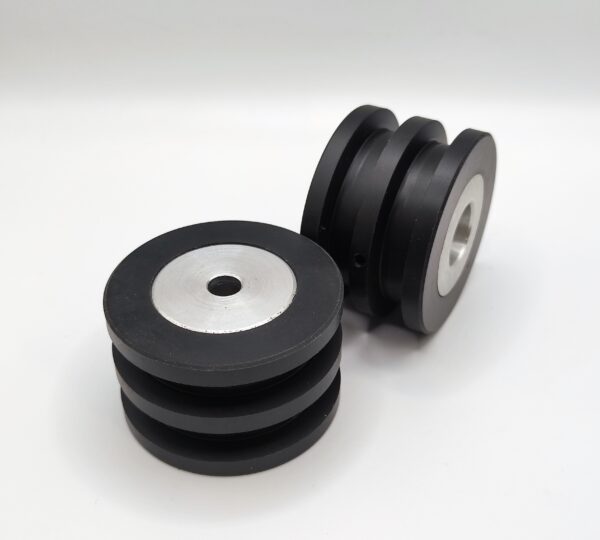
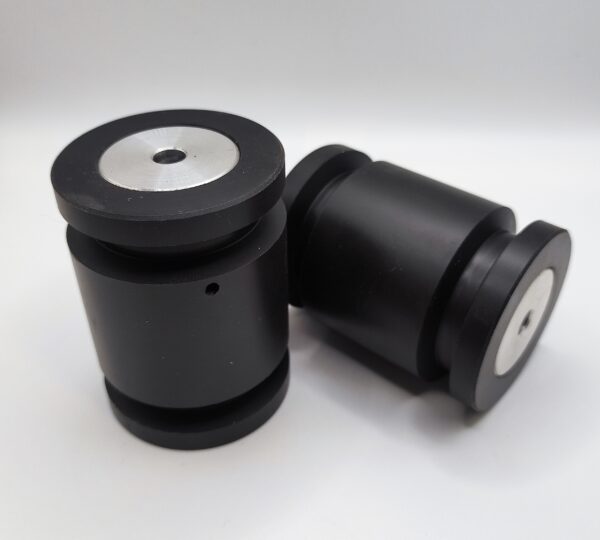
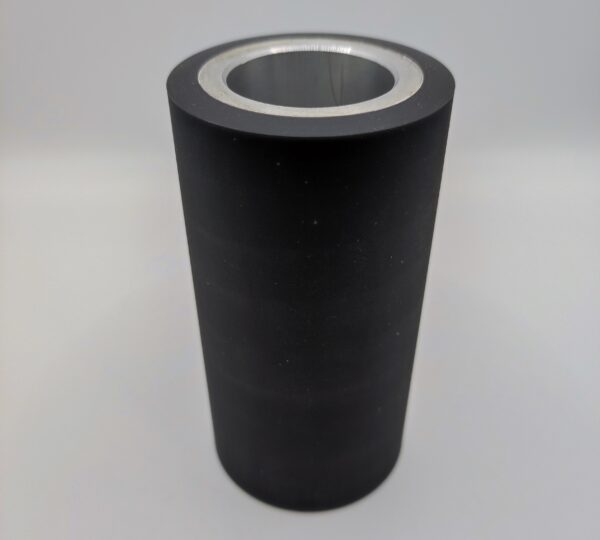
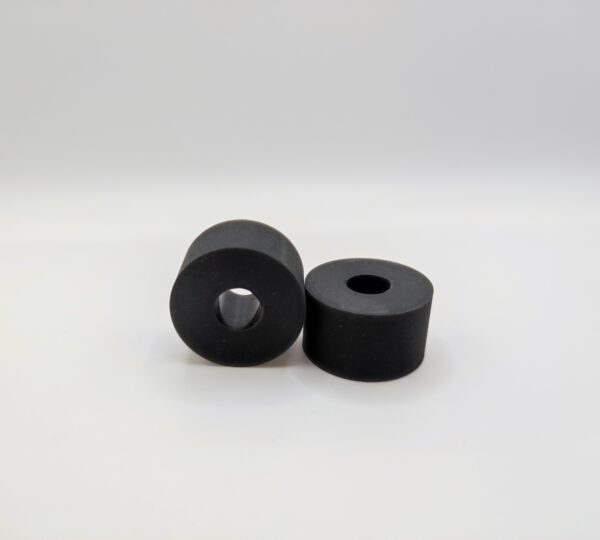
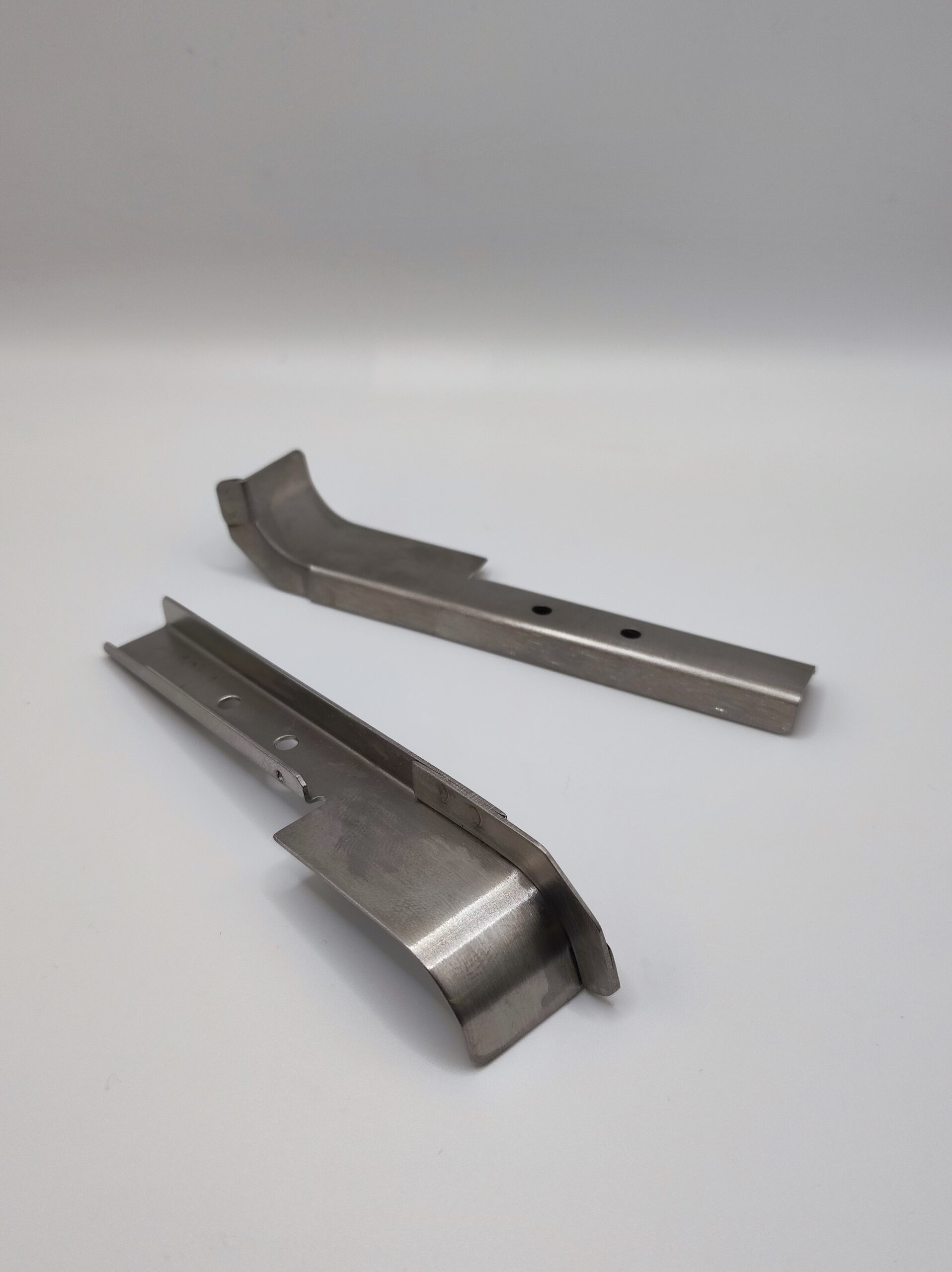
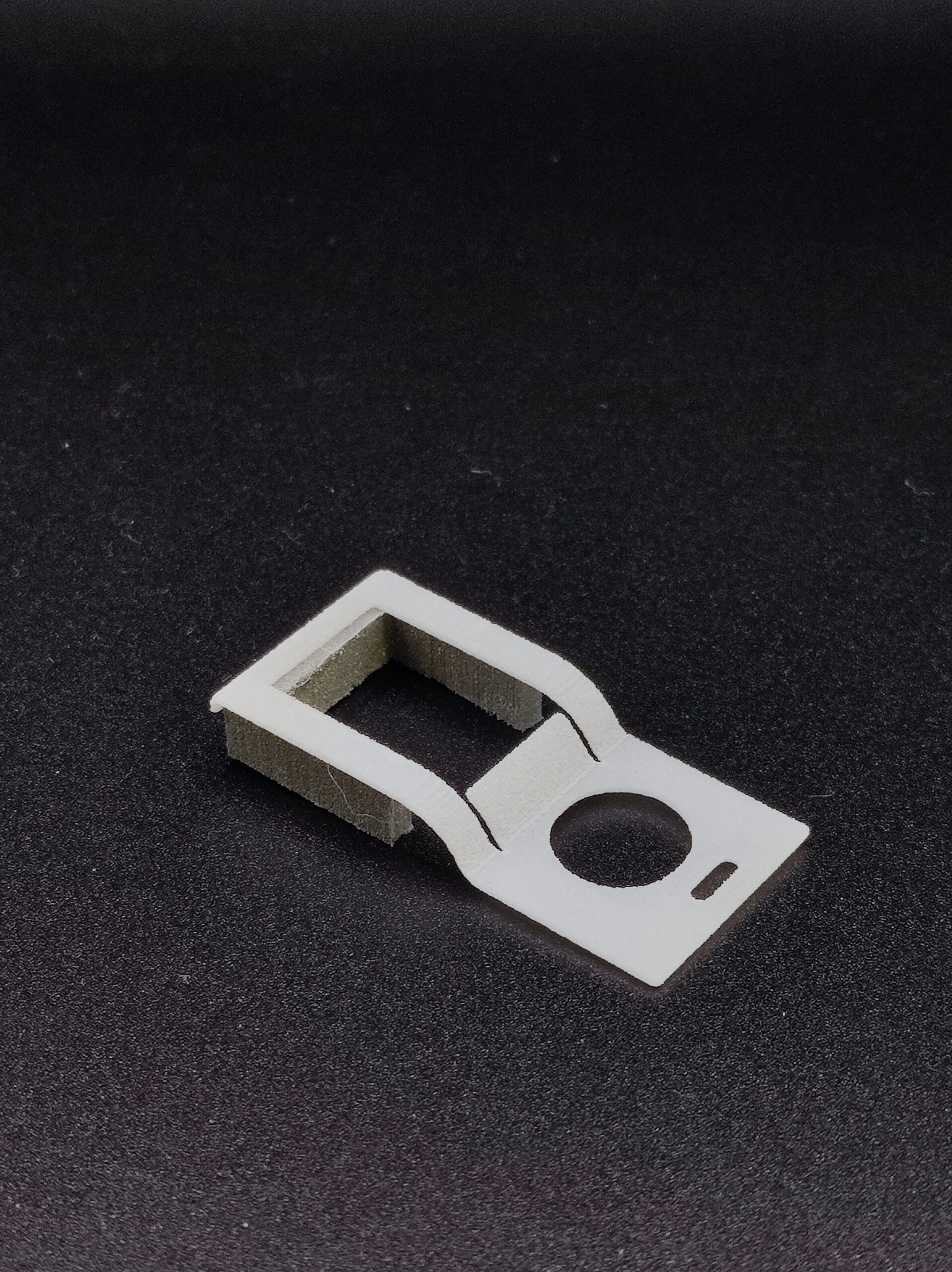
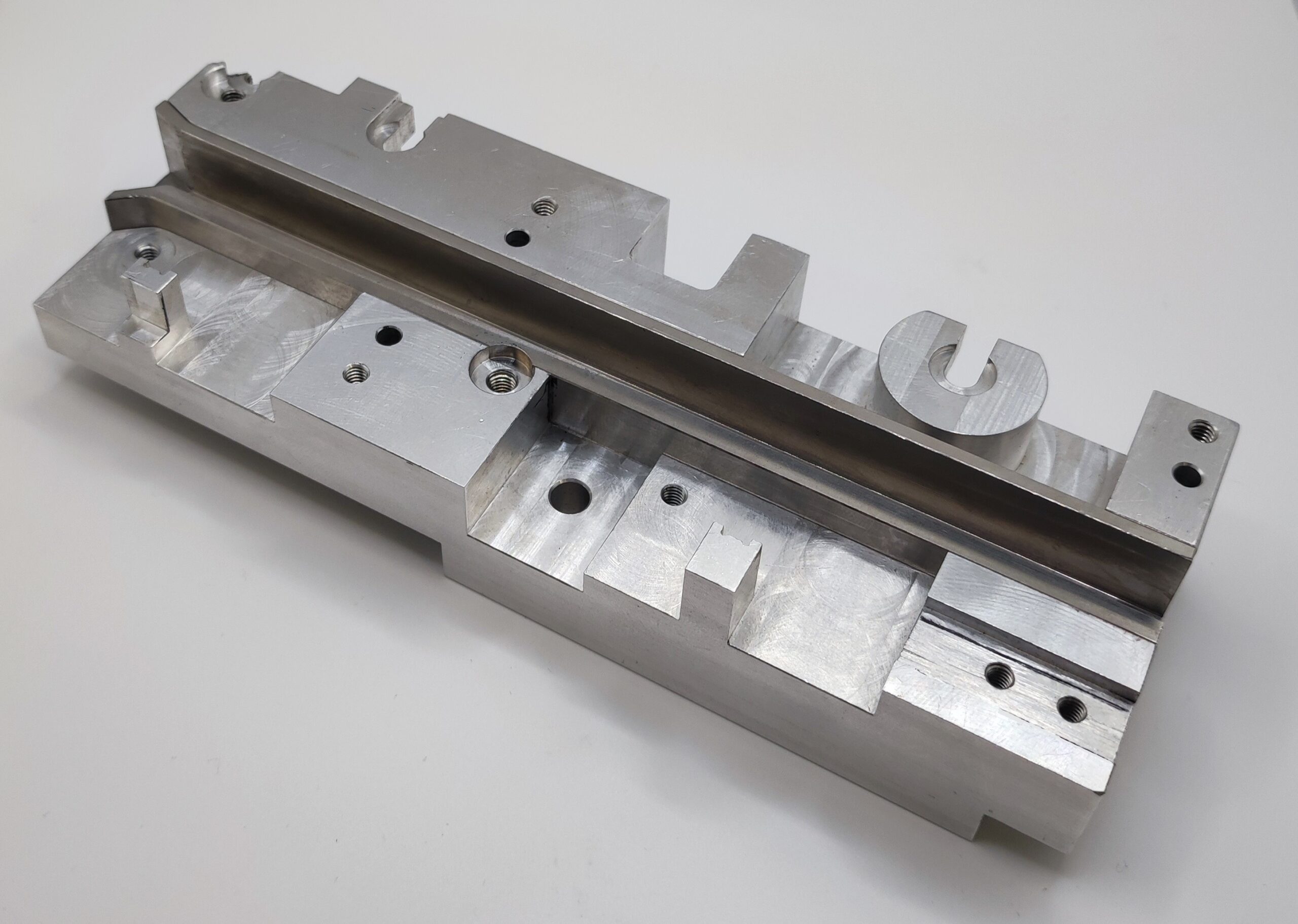
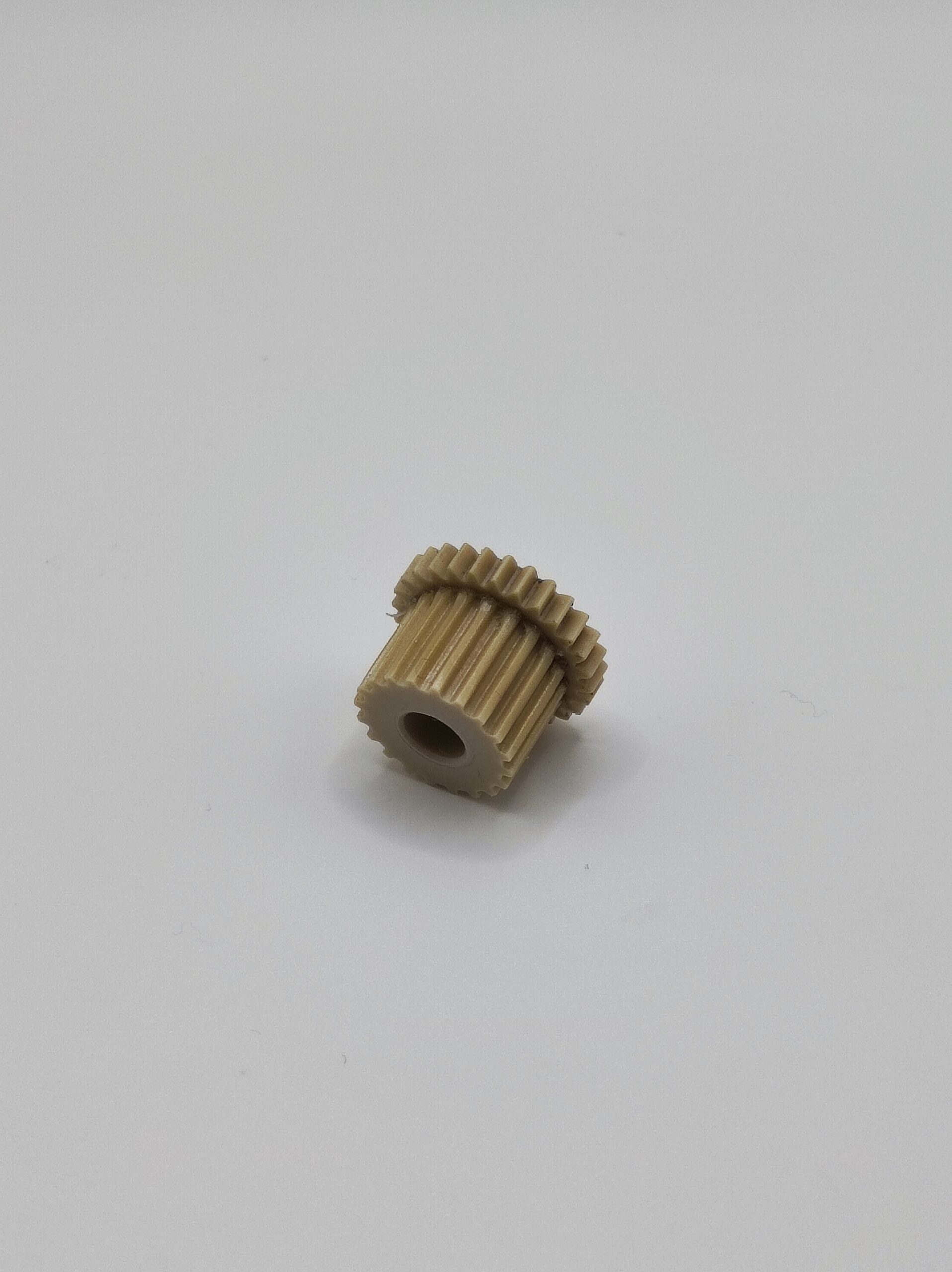
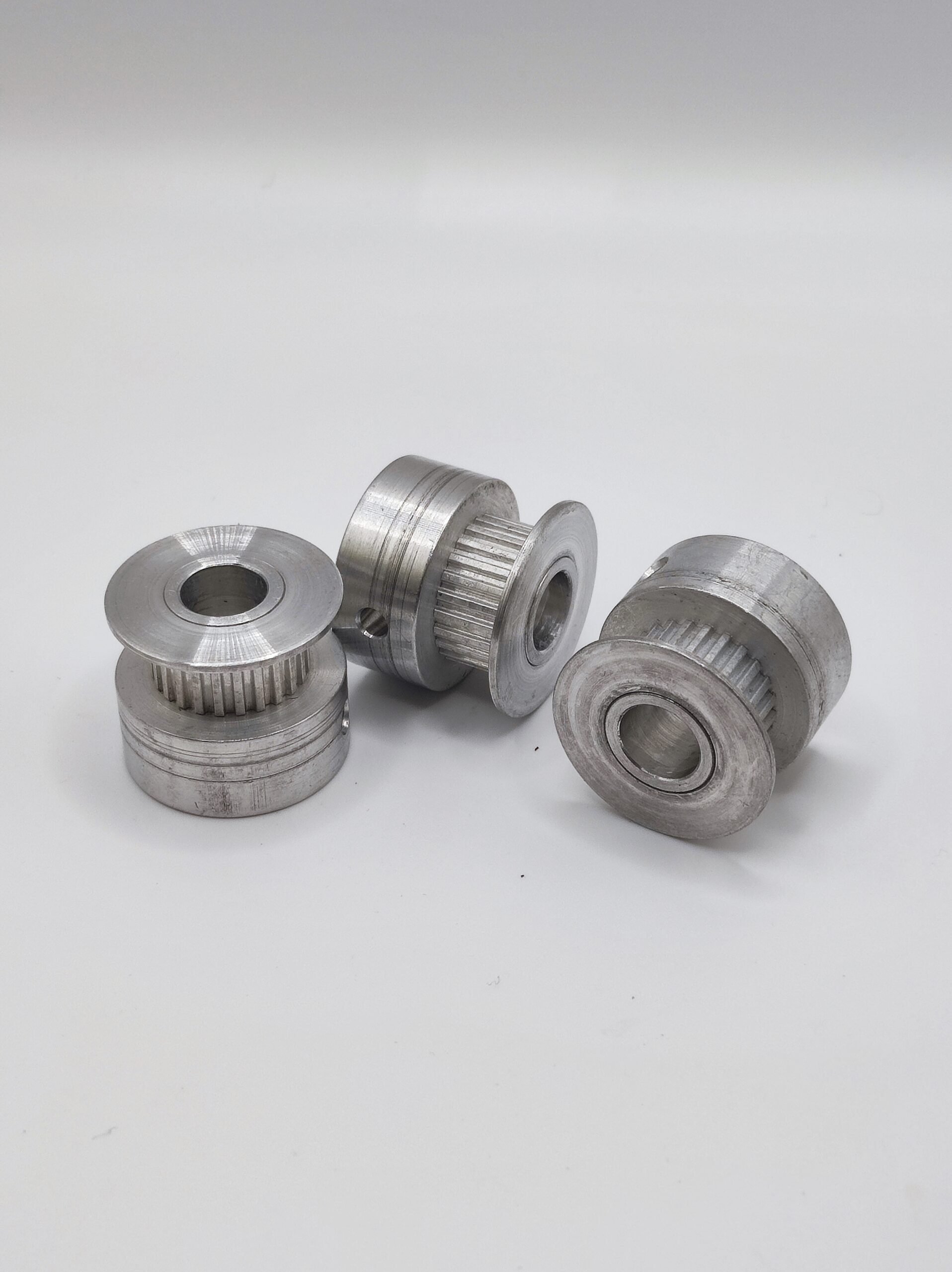
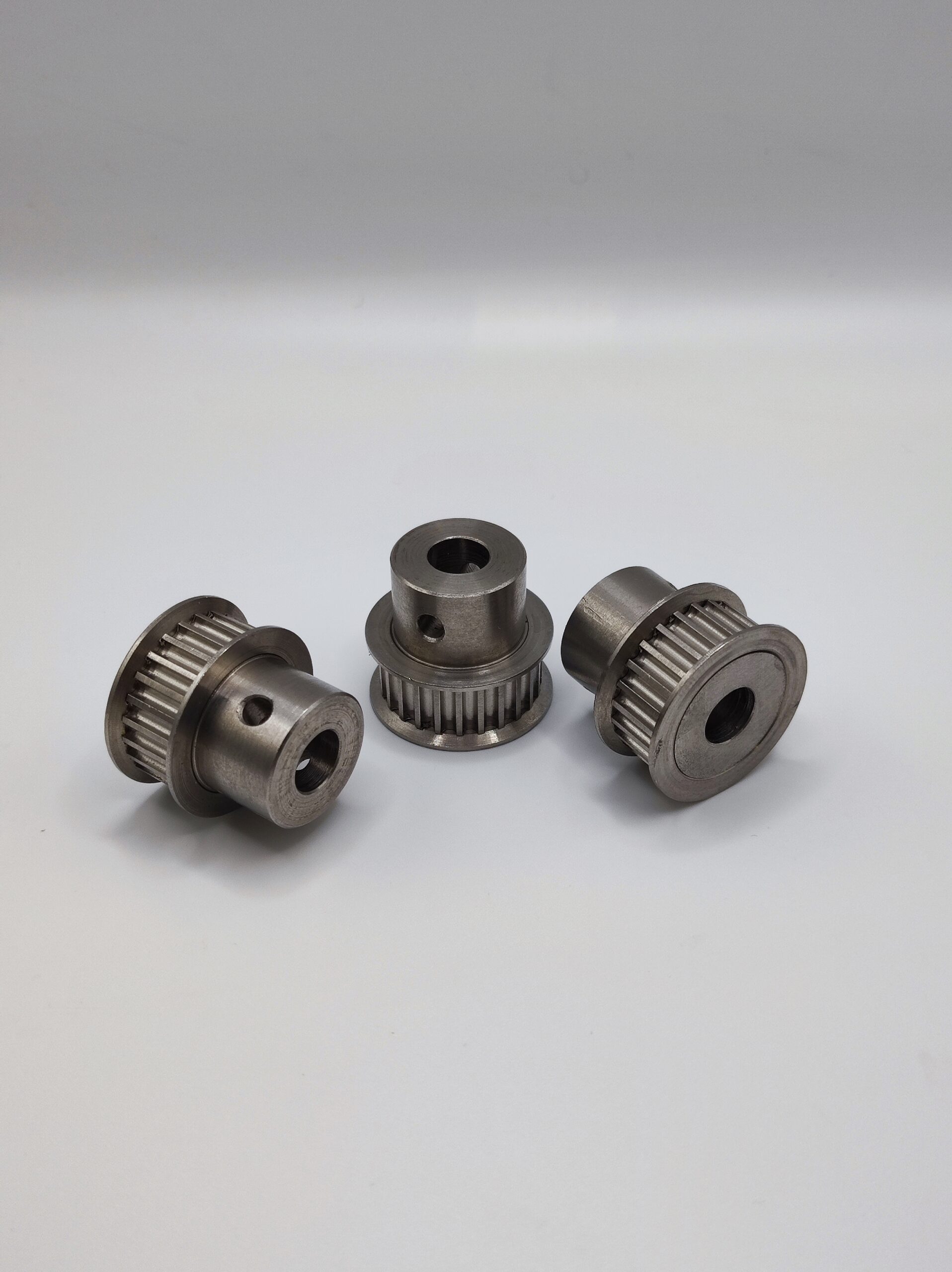
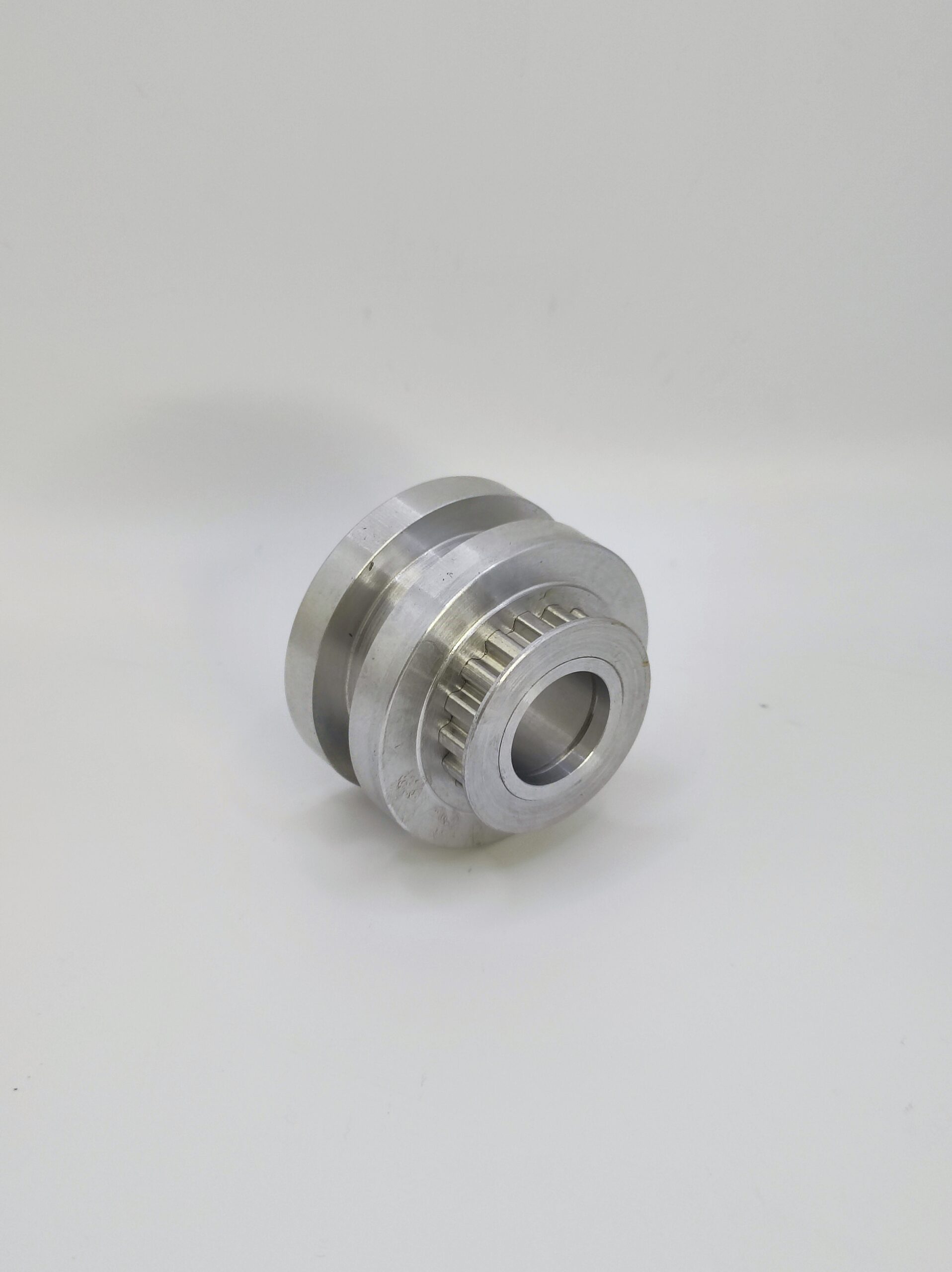
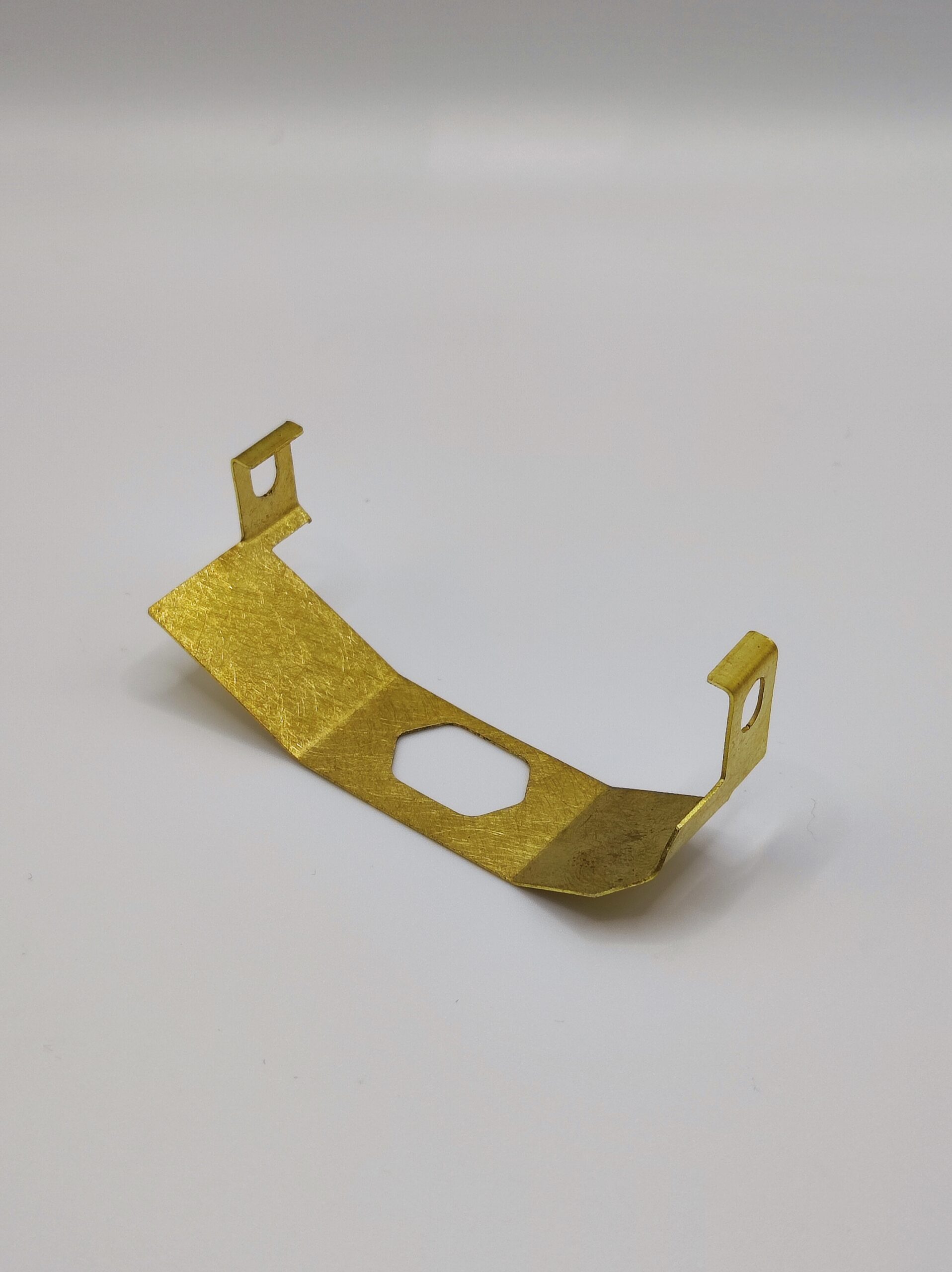
Examples OPEX Parts

Exemples Pièces NCR

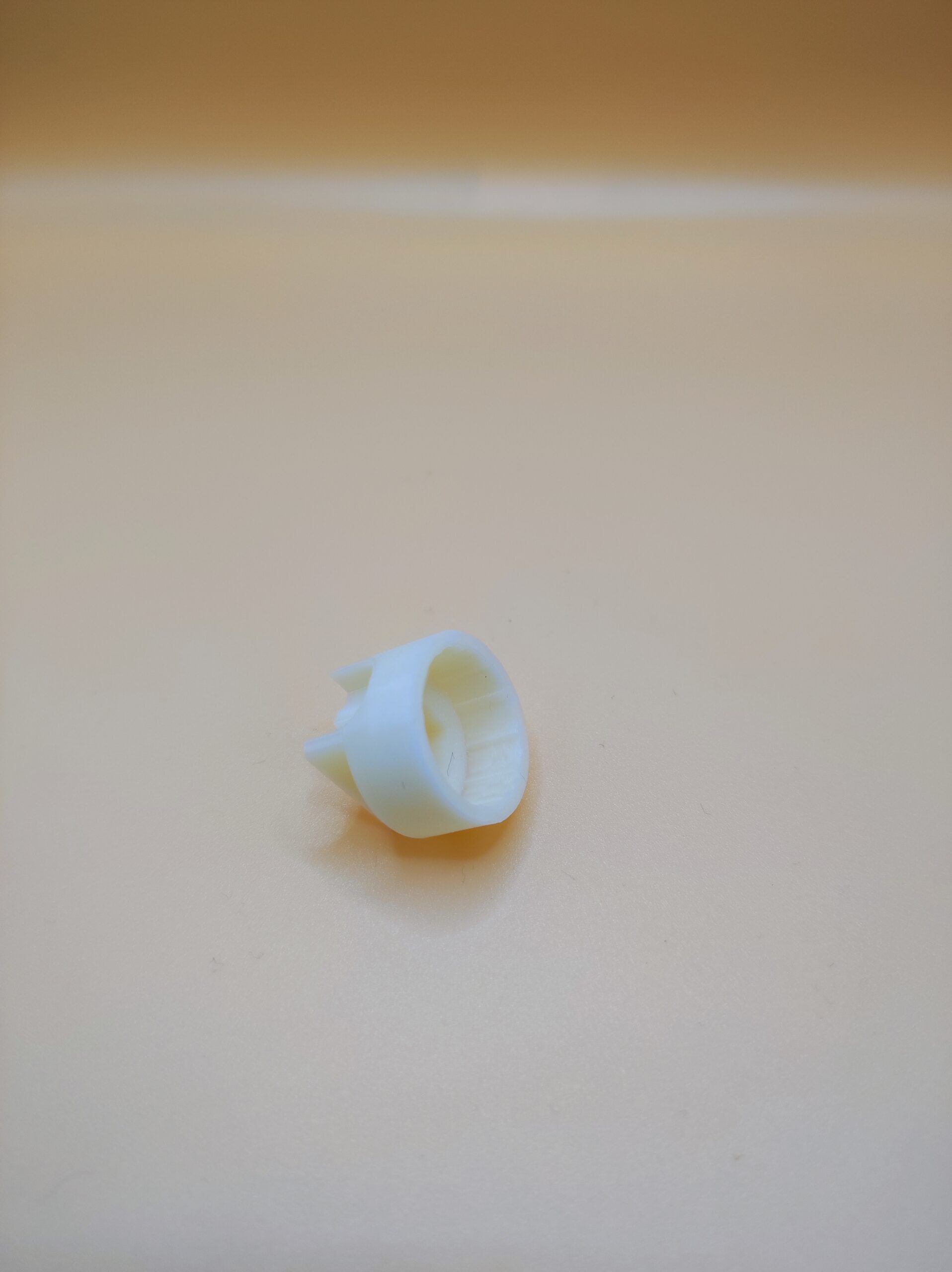
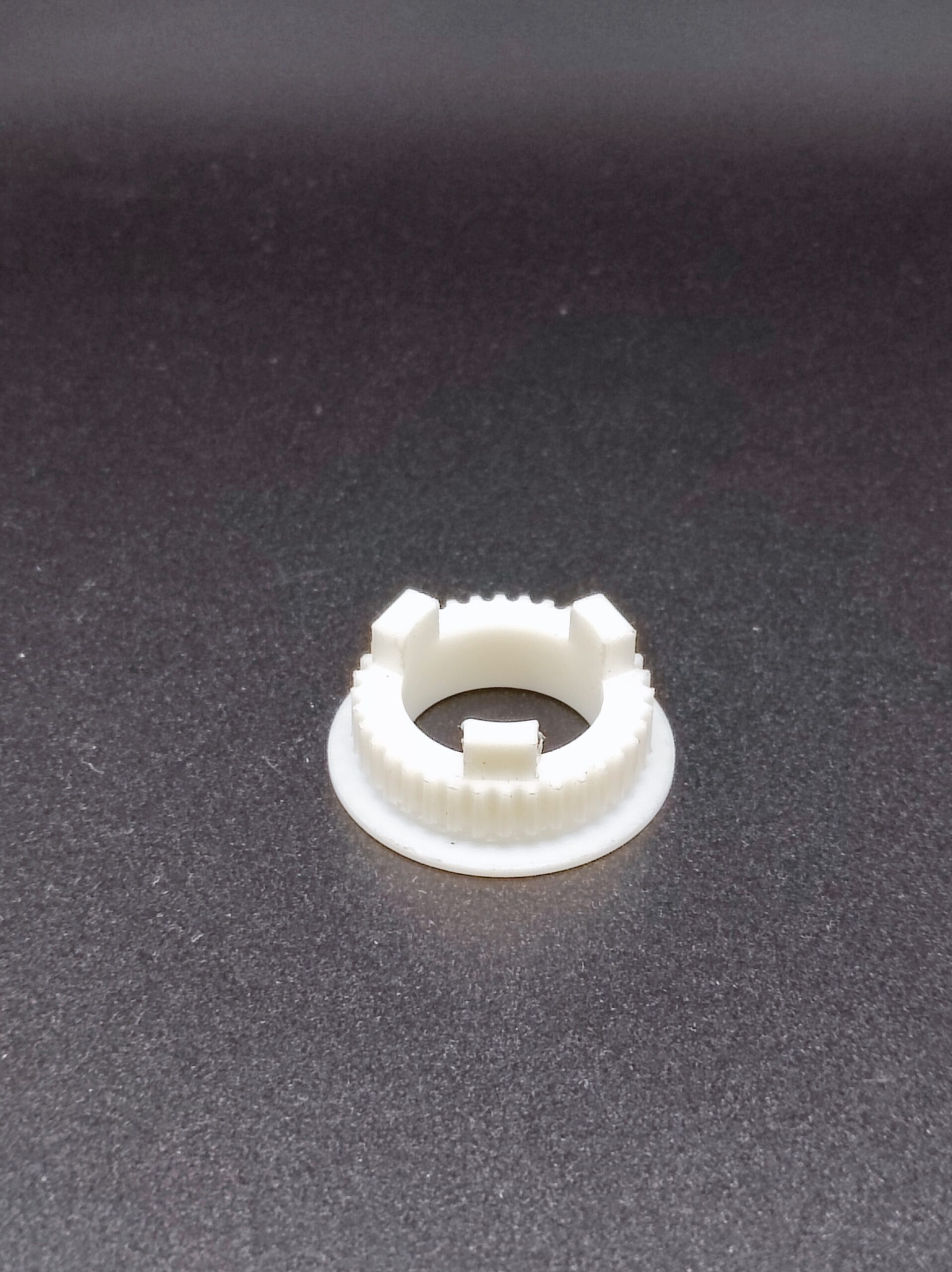
Examples of Datacard Coins

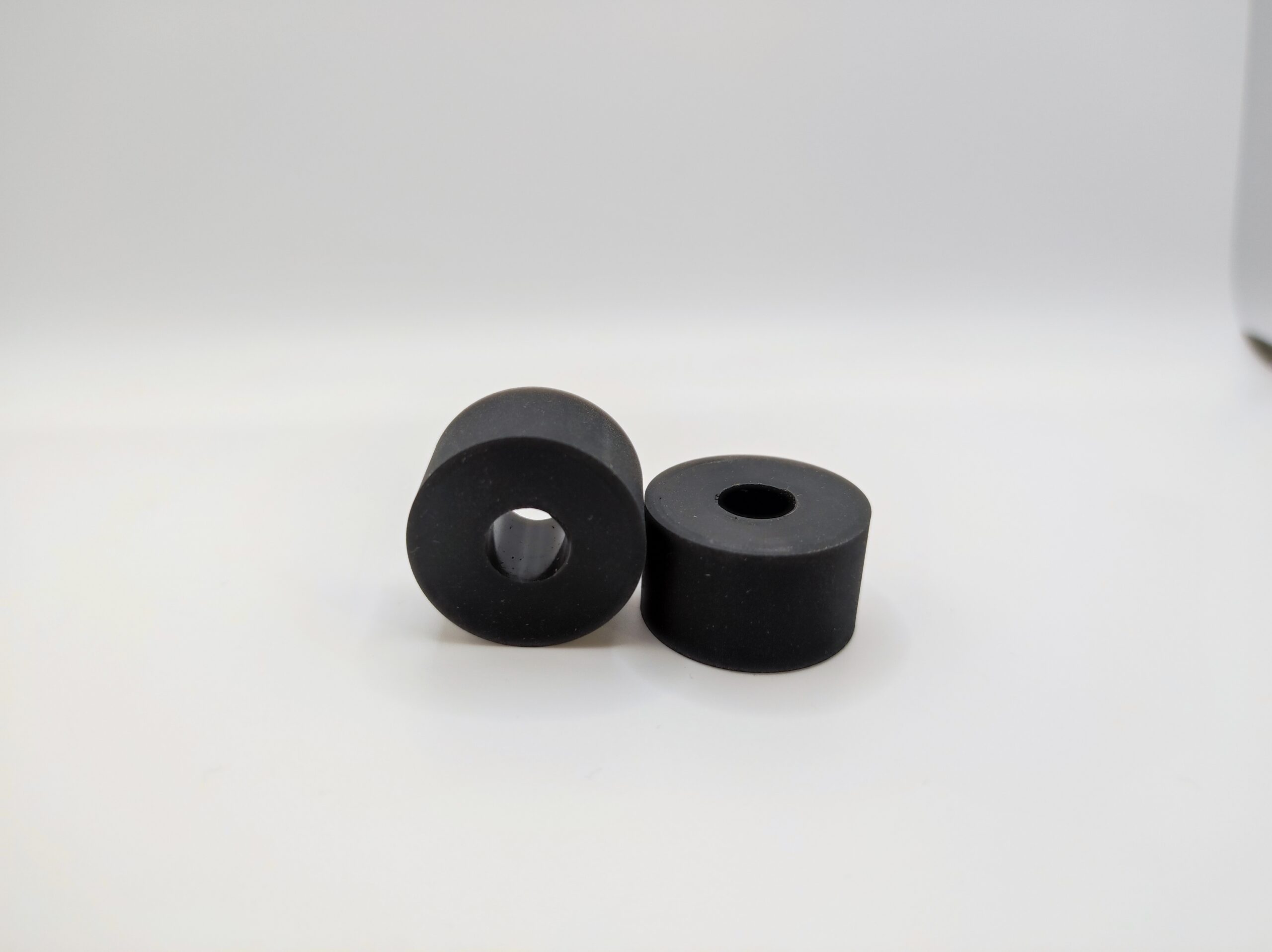
Examples of Burroughs Pieces

Jewelry store worker working with digital caliper while checking the size of gemstone and looking at readings on display
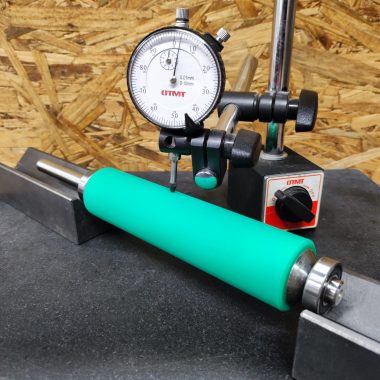
IMG_20241210_152302
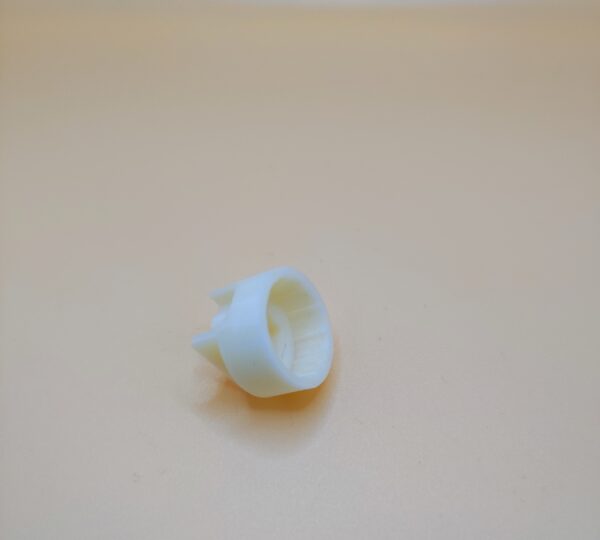
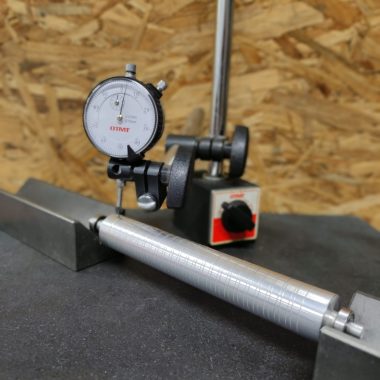
IMG_20241210_152143
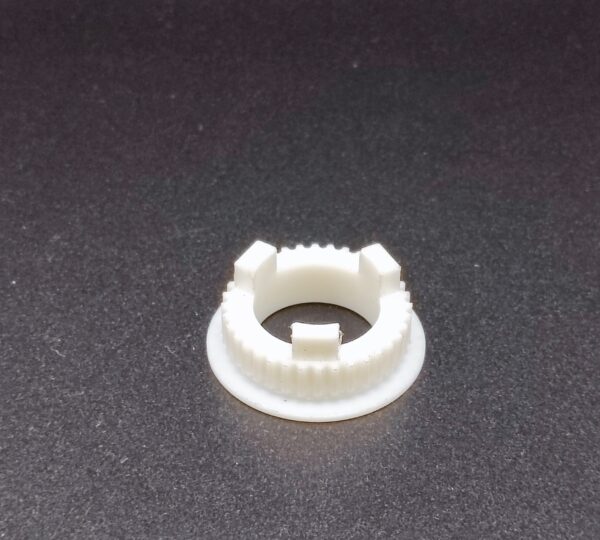
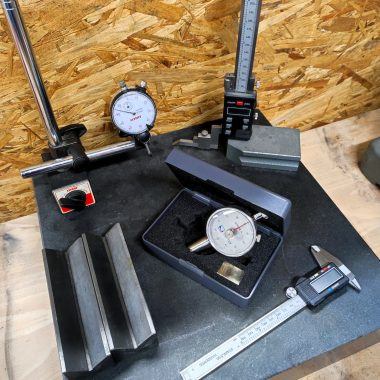
IMG_20241210_153928

Quality Control and Monitoring

Quality Control of Parts

Request for certificate of conformity from suppliers. Random checks upon receipt of parts.
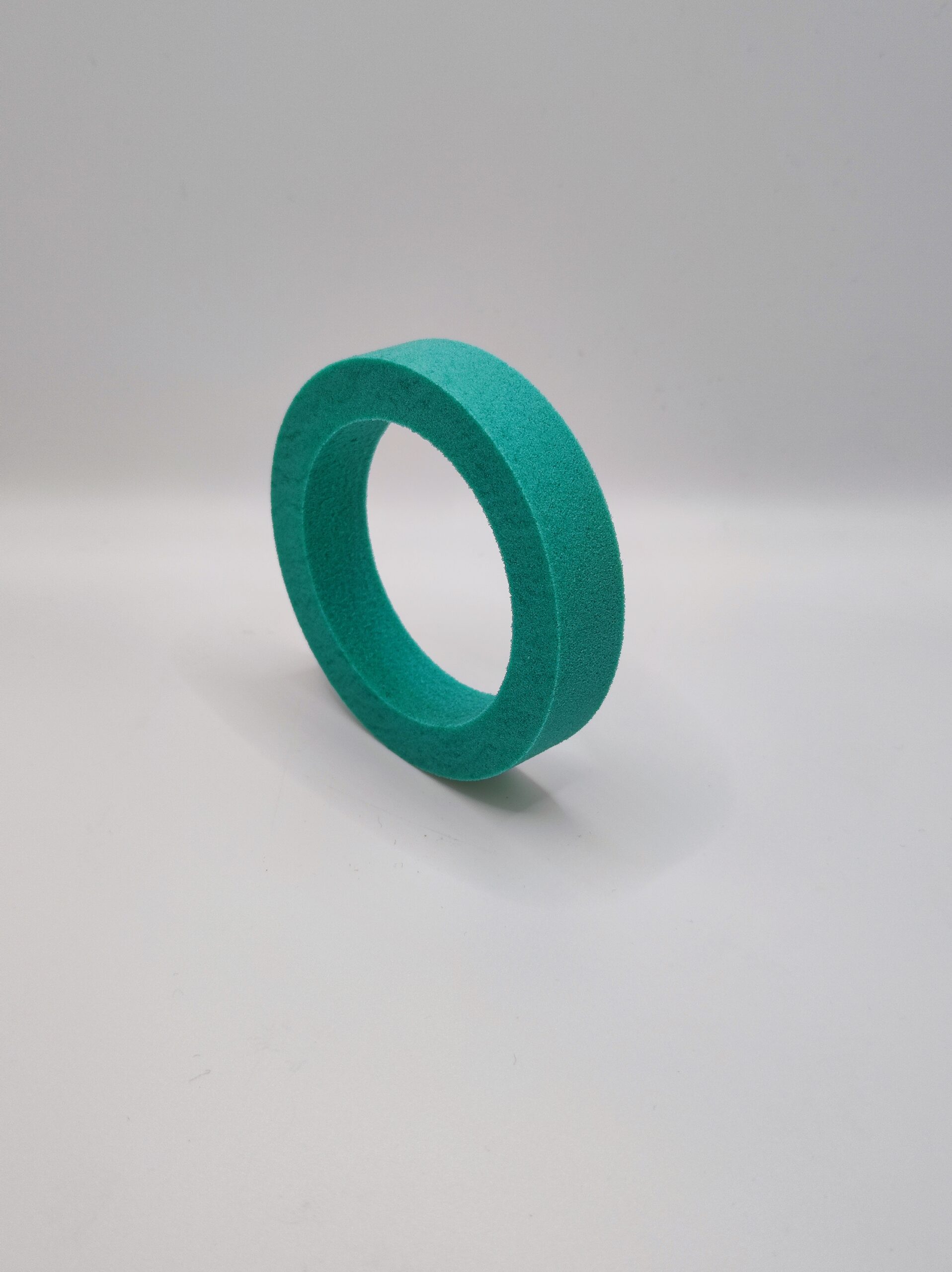
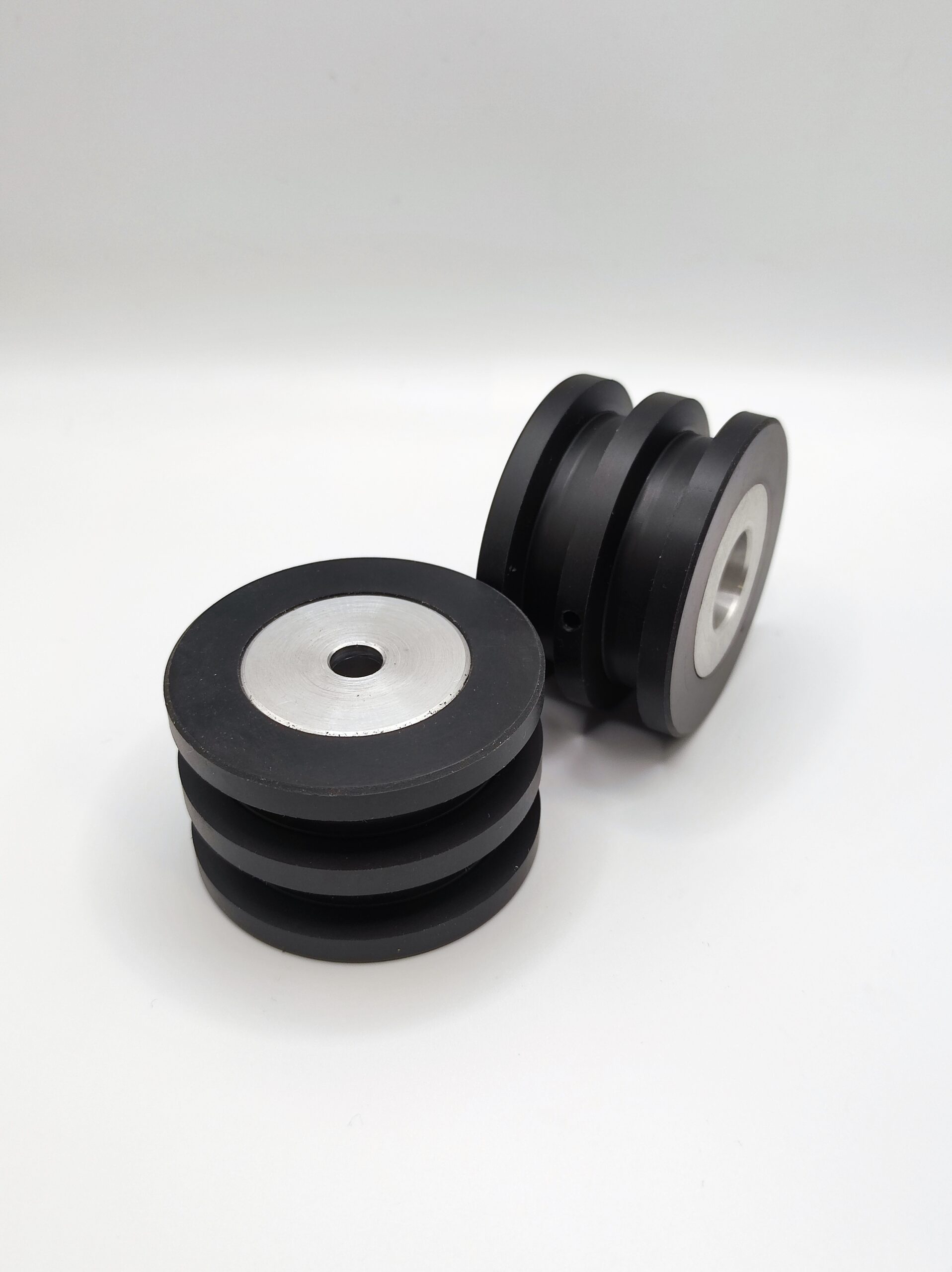
Quality Monitoring of Parts

IMAC relies on its technicians present at customer sites to alert them in case of defective parts, and, if necessary, initiates a Non-Conformity report with the supplier.
Ask our experts for advice

Key steps in reverse engineering

1

Dismantling or deconstruction

to access its individual components and internal structure.

2

Analysis and documentation

Our experts analyze and describe its various components and materials.

3

Design and prototyping

Create a model with all the actual characteristics of the final product.

4

Product Testing and Validation

Control and Performance Analysis of Prototypes on Machine